

One in three parents pulling kids from contact sport amid concussion fears
Media Release posted Wednesday,27 May, 2006
World-first technology brings real-time impact monitoring to grassroots sport
World-first Australian concussion-monitoring technology, once reserved for elite athletes, is now being rolled out across grassroots sport, bringing real-time impact tracking to suburban ovals and school grounds nationwide.
With concussion concerns continuing to rise, wearable technology is giving parents greater confidence in player safety. HITIQ’s Proteqt smart mouthguard, worn like any standard mouthguard, features impact-monitoring sensors that detect and record head impacts in real time, equipping parents and coaches with objective data on both the frequency and severity of impacts.
Melbourne mother Eunilid, whose 12-year-old daughter Chloe plays junior AFL, said the technology has changed the way she approaches her child’s safety.
“I used to hold my breath every time Chloe went into a tackle. Now I get real-time data straight to my phone,” she said. “I know what’s happening, I know when to pull her off the field, and it’s taken away so much of the fear.”
Chloe said the mouthguard has given her greater confidence on the field.
“I love footy, but I used to worry about getting hit in the head. Now I feel safer because Mum and my coach can see what’s going on.”
The technology is gaining traction as concern about concussion in junior sport grows, with one in three parents reportedly choosing to keep their children out of contact sports due to fears of brain injury. Research also suggests a significant proportion of concussions in community sport may go undetected.
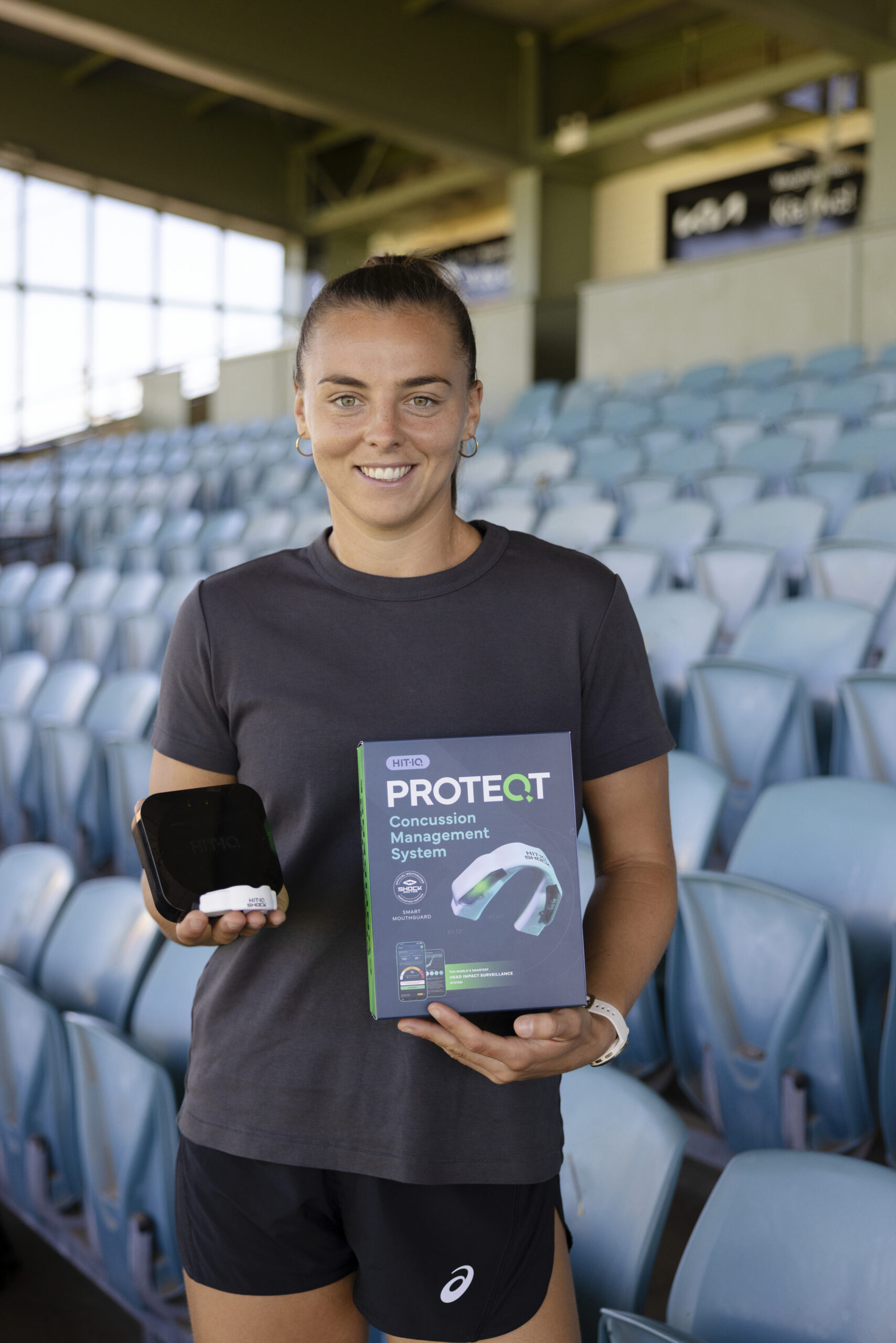
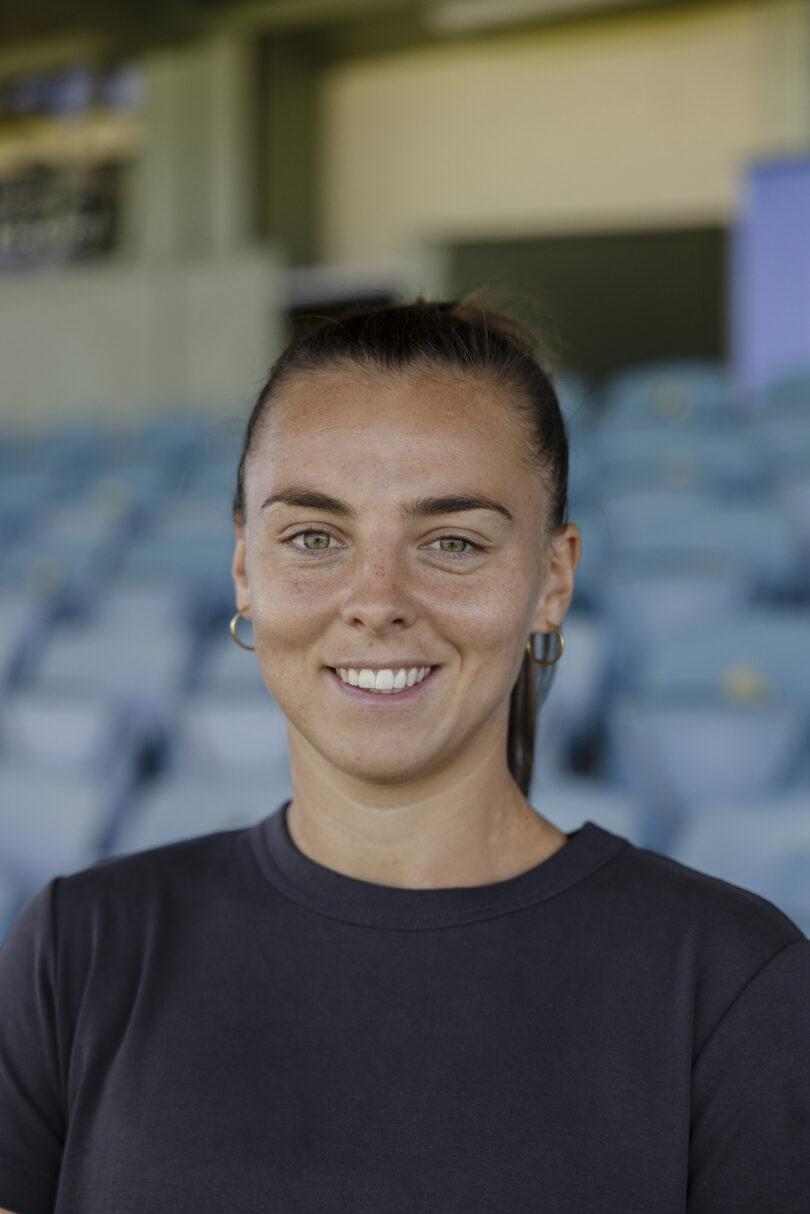
AFLW Best and Fairest winner Ebony Marinoff, who has been announced as a Proteqt ambassador, said expanding access to the technology could be a major step forward for player safety.
Marinoff, the AFLW’s all-time record holder for tackles and disposals, is widely regarded as one of the competition’s toughest and most consistent players, regularly leading the league in contested play.
“I wear Proteqt at the elite level, so it’s great to see this technology becoming available to players at all levels of the game,” Marinoff said.
“Giving grassroots athletes access to the same tools used in the professional environment is a really positive step for the sport.”
HITIQ Chief Commercial Officer Damien Hawes said concussion remains one of the biggest challenges facing collision sports.
“There are so many impacts that happen that the naked eye can’t see, and the most dangerous ones are often the ones we miss,” Hawes said. “Proteqt flags higher-risk impacts in real time so players can be identified quickly and supported with the right follow-up.”
The technology assigns a “Damage Severity Index” score to each impact, helping identify incidents that may require medical attention and enabling more informed decisions on and off the field.
Hawes said the system fills a critical gap in community sport, where concussion is still largely identified through sideline observation.
“Protecting kids shouldn’t rely on guesswork,” he said. “This is about giving every young athlete access to the same level of insight and protection as professionals.”
Sport-related injuries account for more than half of all hospitalised concussions in Australian children aged 10 to 15, with Australian rules football responsible for a significant proportion.
With sporting organisations increasingly adopting impact-monitoring technology, experts say Australia is entering a new era of concussion management in junior sport.
For more information, visit www.hitiq.com/