National Reconciliation Action Week 2026
Media Release Posted 27 May,2026
At Cancer Council NSW (CCNSW), our vision for reconciliation is to improve cancer outcomes for Aboriginal and Torres Strait Islander communities by partnering to
create and deliver culturally safe and responsive programs and services. We aim to do this by advancing respectful, authentic and long-term relationships with Aboriginal
and Torres Strait Islander peoples.
Monica, whose life has been impacted significantly since she was first diagnosed with stage four melanoma in April 2020 has channeled her cancer experience to
champion awareness about cancer in Aboriginal and Torres Strait Islander Peoples.
“It’s amazing to see resources being created for First Nations people. But we’ve still got to remember that not everyone in our communities has had the same access to
education. A lot of our mob grew up dealing with disrupted schooling, being moved around, or facing barriers that made it harder to learn to read and write in the way
the system expected.
That’s why the way information is shared is so important. Plain and clear language make a huge difference. Using everyday words, breaking things down simply, and
avoiding complicated jargon helps people understand what’s being said instead of feeling shut out.
A picture tells a thousand words. Our cultures have always told stories through art, symbols, and imagery. More photos, more diagrams, more videos — these things
help everyone, not just people with low literacy. They make information accessible, respectful, and culturally aligned with how many of us naturally learn.” says Monica.
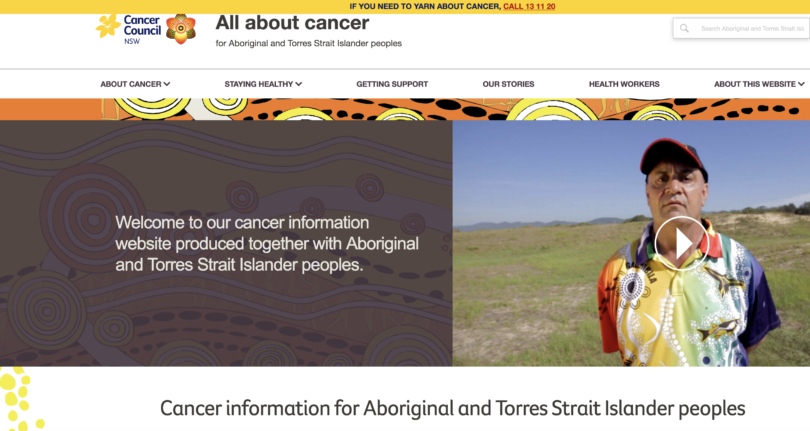
In our efforts to improve equity in cancer outcomes, we have worked to develop resources for all, including a dedicated Aboriginal and Torres Strait Islander Portal,
and support and information resources that cater to all including the Easy Read resources library.
“If sharing my story can save even one person, it’s worth it,” she says. “I want our Mob to understand how important it is to notice changes, and to get things looked at
early. We’re strong people, but we’re not invincible.” says Monica.
CCNSW acknowledges that reconciliation is the responsibility of all Australians, our Reconciliation Action Plan (RAP) outlines how we are working to positively influence
our external stakeholders to achieve positive health outcomes for Aboriginal and Torres Strait Islander Peoples Not only are we taking steps towards reconciliation
but encouraging others to do so.
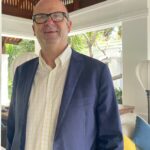
Cancer Council NSW’s Brad Gellert, Manager, Policy & Advocacy Unit, and Chair of RAP Committee says:
“Cancer Council NSW’s is committed to delivering culturally safe and responsive services. Our process is grounded in listening, taking time, and genuinely engaging
with Aboriginal and Torres Strait Islander peoples and communities impacted by cancer as we work towards reconciliation. This engagement takes many forms,
through community events, workshops, and forums such as recent attendance at the World Indigenous Cancer Conference (W.I.C.C. 2026) in Aotearoa, New Zealand.
As we look to external examples of communities working towards reconciliation like New Zealand, we are also reflecting internally and working towards placing realistic
timeframes on project to allow for true co-design and engagement ensuring that Aboriginal voices inform our work. As a non-indigenous organisation we recognise
we don’t have all the knowledge and history and without collaboration of those with lived experiences like Monica, we cannot know how to best support Aboriginal and
Torres Strait Islanders.
We all have a part to play. As Chair of CCNSW;s RAP committee, I'm proud to see us genuinely working towards our goal of improving equity in cancer outcomes by
working with the communities most impacted by cancer.”
Reconciliation will not happen by itself, and it will not happen without all of us. Just as, Tackling Cancer takes all of us.
About Cancer Council NSW:
Cancer Council is Australia’s leading cancer charity uniting the community, providing support, investing in research and saving lives.
Tackling cancer does take all of us, which is why Cancer Council is here for everyone affected by cancer and their loved ones.
If you need to talk, call Cancer Council on 13 11 20, visit our online community or visit cancercouncil.com.au/get- support.
‘For cancer information and support call Cancer Council’s 13 11 20 Information and Support line and speak to one of our health care professionals’