

Iran to allow safe passage via Hormuz as Trump agrees to 2-week ceasefire according to NIKKEI News source
GULF NEWS SUMMARY
News aggregator using NIKKEI Reports /Posted 10 April,2026
1. The Eleventh-Hour Turnaround
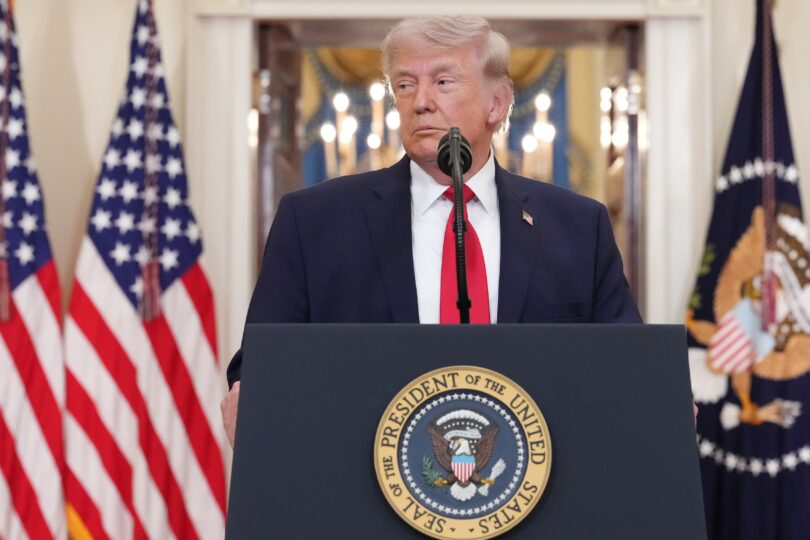
President Donald Trump agreed to a two-week ceasefire with Iran on Tuesday, remarkably less than two hours before a self-imposed deadline. Prior to the deal, Trump had warned that a “whole civilization will die tonight” if Iran did not reopen the Strait of Hormuz. The agreement averted planned “devastating attacks” on Iran’s civilian infrastructure, including bridges and power plants.
2. The Role of Global Mediators
The ceasefire was not brokered by the U.S. alone. Key players included:
-
Pakistan: Military chief Field Marshal Asim Munir and PM Shehbaz Sharif were instrumental in mediating the truce.
-
Islamabad Summit: PM Sharif has invited U.S. and Iranian delegations to meet in Pakistan this Friday to begin formalizing a long-term deal.
3. Key Terms and “Victory” Claims
-
The Swap: Iran has agreed to pause its blockade of the Strait of Hormuz (which handles 20% of global oil) in exchange for a cessation of U.S. and Israeli attacks.
-
Divergent Narratives: Trump has claimed the deal is a “total and complete victory,” asserting that military objectives have been met. Conversely, Iran’s Supreme National Security Council has framed the deal as a victory for Tehran, claiming Trump accepted their conditions.
-
Reconstruction: Trump suggested the U.S. would assist in “traffic buildup” in the Strait and that Iran could begin reconstruction of its damaged sites.
4. The Human and Economic Toll
The war, now in its sixth week, has reached a staggering cost:
-
Casualties: Over 5,000 lives lost across nearly a dozen countries.
-
Civilian Impact: More than 1,600 civilians have died in Iran alone.
-
Markets: Global markets saw a “relief rally” immediately following the news, with oil prices dropping and stocks surging in Asian trade.
5. Lingering Tensions and Contradictions
Despite the “peacefire,” significant friction remains:
-
The Lebanon Conflict: A contradiction has emerged; Pakistan claims the deal includes a ceasefire in Lebanon, but Benjamin Netanyahu’s office explicitly stated the ceasefire does not apply to operations against Hezbollah.
-
Immediate Violations: Within an hour of the announcement, Iran launched missiles at Israel, triggering air defenses in Tel Aviv and across several Gulf nations (Kuwait, Bahrain, Saudi Arabia, and the UAE). Israel reportedly struck back at the launch sites.
-
Skepticism: Sources briefed on the talks describe the two weeks as a “trust-building exercise,” with some fearing Iran is simply “buying time.”
6. Political Pressure on Trump
Analysts suggest Trump’s sudden pivot to diplomacy is fueled by domestic pressure:
-
Midterm Elections: Republican majorities are at risk as Trump’s approval ratings hit record lows.
-
Public Sentiment: A majority of Americans oppose the war and are frustrated by the soaring cost of gasoline.
-
Legal Concerns: International experts, the UN, and the Pope had condemned Trump’s threats against civilian infrastructure, noting they could constitute war crimes.
Sydney Times Analysis: For Australia, this ceasefire is a critical economic reprieve. However, as the Nikkei report highlights, the “trust” between these parties is non-existent. The next 14 days in Islamabad will determine if the world moves toward a permanent “Option Z” peace or a return to the nuclear brink.