
FIFA World Cup Update: Iberian Drama and the United States bundled out by Belgium
The knockout stages of the FIFA World Cup have delivered a series of breathtaking results, high-stakes drama, and unprecedented political controversy that has left the global football community completely divided. On an evening that will be remembered for decades, the tournament witnessed a tense tactical masterclass between two European heavyweights, followed by a thoroughly chaotic showdown in the Pacific Northwest that ended a host nation’s dream under a heavy cloud of controversy.
Spain Edges Out Portugal in Tense Knockout Clash
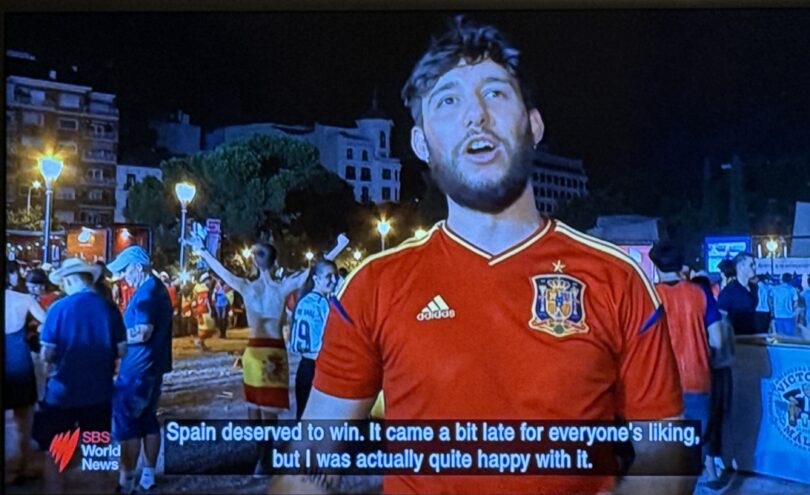
The tournament drama reached a fever pitch in Texas as Spain secured a dramatic, late victory over rival Portugal in a fiercely contested Round of 16 match. Held at Dallas Stadium, the fixture was defined by immense tactical discipline, physical defending, and a battle for midfield supremacy that left both sides nearly exhausted.
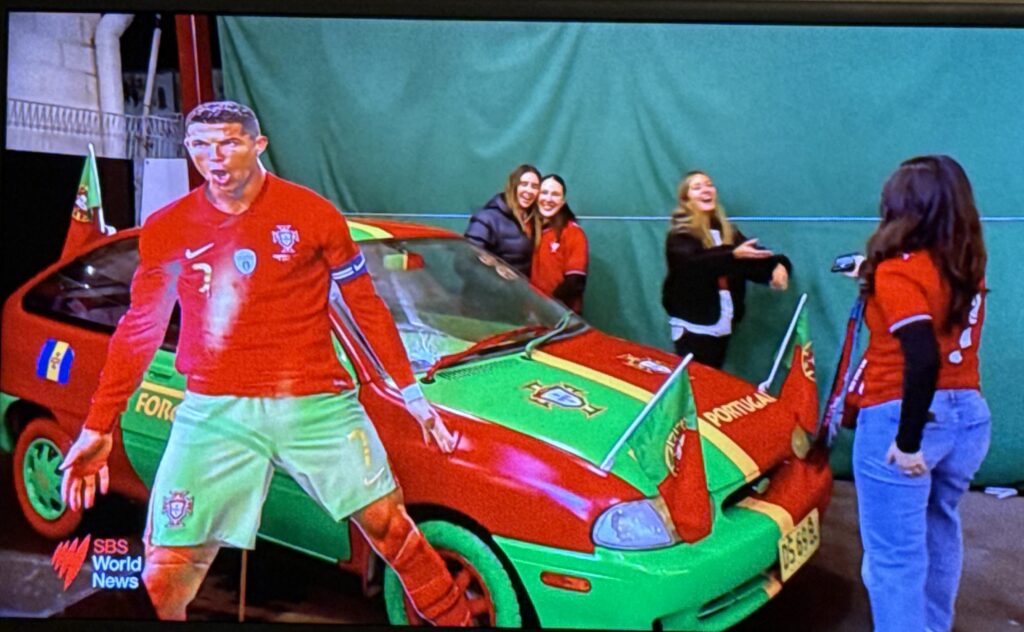
For the vast majority of the ninety minutes, defenses reigned supreme. Portugal’s backline absorbed wave after wave of Spanish possession, while looking to hit on the counter-attack through direct over-the-top balls. Just as the match looked destined for an grueling thirty minutes of extra time, Spain found their breakthrough in the 90th minute. Mikel Merino capitalized on a late defensive lapse to fire home a dramatic winner, sending the Spanish bench into absolute delirium and leaving Portuguese players entirely heartbroken as the final whistle blew shortly after.
The Battle of Seattle: USA Bundled Out by Brilliant Belgium
While the drama in Dallas was decided strictly on the pitch, the clash at Seattle Stadium between the United States and Belgium was a sprawling, multi-layered saga that transcended sport. Ultimately, the United States was bundled out of their home tournament in a heavy 4-1 defeat, as Belgium’s attacking prowess proved entirely too much for the Americans to handle.
Belgium set the tone early in the match, stunning the partisan crowd when Charles De Ketelaere found the back of the net in the 9th minute. The United States fought back with immense spirit, utilizing a thunderous home crowd to generate momentum. The equalizer arrived in spectacular fashion in the 31st minute when Malik Tillman curled an incredible free kick past the reaching arms of goalkeeper Thibaut Courtois.
However, the American joy was incredibly short-lived. Barely two minutes later, De Ketelaere struck again, latching onto a cross to restore Belgium’s advantage and deflate the stadium. In the second half, the Belgians put on a clinic. Hans Vanaken extended the lead to 3-1 in the 57th minute after capitalizing on a defensive error. Despite controlling nearly seventy percent of the possession in the latter half of the game, the United States could not breach the Belgian defense. Romelu Lukaku put the final exclamation point on the performance, scoring deep into stoppage time to round out the 4-1 victory and send the Red Devils marching into the quarter-finals.
The Red Card Controversy: Was Justice Served?
The true talking point of the United States’ elimination, however, took place before a ball was even kicked in Seattle. The match was entirely overshadowed by an unprecedented executive intervention involving star American forward Folarin Balogun.
Balogun had received a straight red card during the previous Round of 32 victory against Bosnia and Herzegovina for a high, awkward step on an opponent’s ankle. Under FIFA’s strict disciplinary rules, a straight red card triggers an automatic one-match ban, which would have ruled the striker out of the pivotal clash against Belgium.
In a shocking turn of events, United States President Donald Trump personally intervened, making multiple phone calls to FIFA President Gianni Infantino to complain about what he termed a “horrible” and “unfair” decision by the Brazilian referee. Following these high-level communications, FIFA took the unprecedented step of suspending Balogun’s match ban, clearing him to start against Belgium. The decision sparked a furious diplomatic and sporting row. The Royal Belgian Football Association expressed utter disbelief, stating that the integrity of the game had been deeply compromised, while their manager publicly mocked the governing body’s sudden about-face.
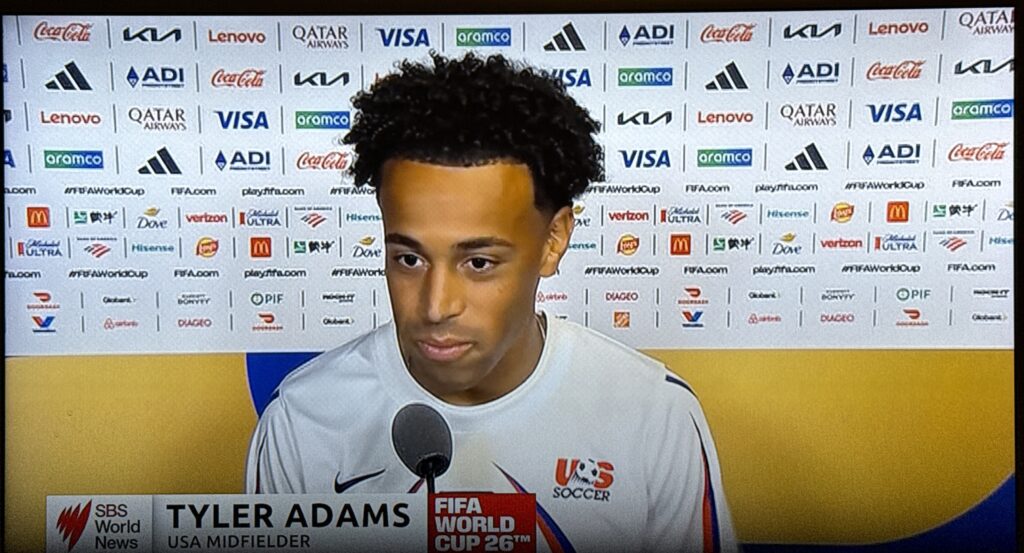
The question gripping fans around the world is simple: Was justice ultimately served?
From a purely competitive standpoint, the White House argued that the fans deserved to see a match where both nations field their absolute strongest lineups. The original challenge by Balogun was viewed by his coaching staff as an unintentional collision between two athletes moving at full speed, rather than an act of malice. In that light, supporters of the intervention view the lifting of the ban as a correction of an overzealous refereeing decision, ensuring that an arbitrary call did not ruin the host nation’s primary sporting spectacle.
Conversely, the overwhelming consensus across the international football community is that the intervention represents a dark day for the sport. By allowing political pressure from a host nation’s head of state to alter judicial decisions, FIFA fractured the foundational rule that the laws of the game must apply equally to all, regardless of geopolitical power.
Perhaps the ultimate irony lies in the poetic justice delivered by the pitch itself. Despite the rulebook being bent to allow Balogun to play, the United States was still thoroughly outclassed, out-tacticked, and defeated by a margin that left no room for excuses. For the purists of the sport, the final scoreline in Seattle was the ultimate form of justice—proving that while politicians can influence the committee rooms of Switzerland, they still cannot dictate the ninety minutes on the grass.