


Australia can’t solve its housing crisis using yesterday’s construction methods
Construction expert says outdated building methods are putting national housing targets further out of reach
Australia’s housing targets are becoming increasingly out of reach, with newly released Australian Bureau of Statistics (ABS) figures showing new home commencements fell 11.2% in the March quarter to just 48,012 dwellings – well below the estimated 60,000 homes needed each quarter to meet the National Housing Accord target of 1.2 million new homes by 2029.

Future Property Group Managing Director David Cummins said the numbers highlight a deeper issue than housing demand alone.
“These figures confirm what the construction industry has been experiencing for some time. We can not keep trying to solve tomorrow’s problems with yesterdays thinking. The industry is still trying to solve a modern housing crisis with a construction model that hasn’t fundamentally changed in decades.” Cummins said.
“Australia doesn’t have a demand problem. We have a delivery problem. Unless we embrace faster, more efficient ways of building at scale, we’ll continue falling behind regardless of how much land is released or how many housing policies are announced.”
The construction industry invests less than 1 per cent of revenue in research and development, despite being one of the world’s largest industries.
“Solving the housing crisis will require us to embrace innovation, invest in research, adopt emerging technologies and expand the range of construction methods available to deliver smarter, more sustainable homes.”
With more than 20 years’ experience in construction and property development, having overseen more than $2 billion in projects across Australia, Mr Cummins said modern methods of construction has the opportunity to play a much larger role in addressing the housing shortage.
“Australians don’t need to wait 12 months or longer for a quality home. Smarter design, advanced manufacturing and modern construction methods can significantly reduce build times while improving performance and sustainability.”
Declining commencements will place further pressure on housing affordability by limiting future supply.
“Every quarter we fail to build enough homes widens the gap between supply and demand. That ultimately means greater competition, higher prices and fewer housing options for Australian families.”
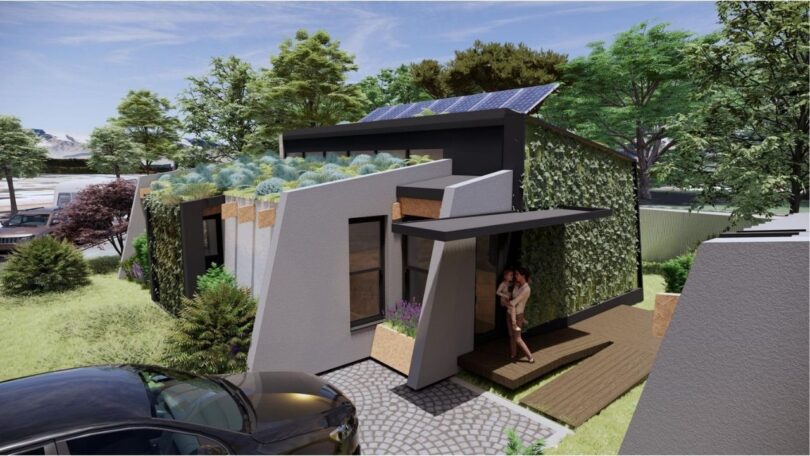
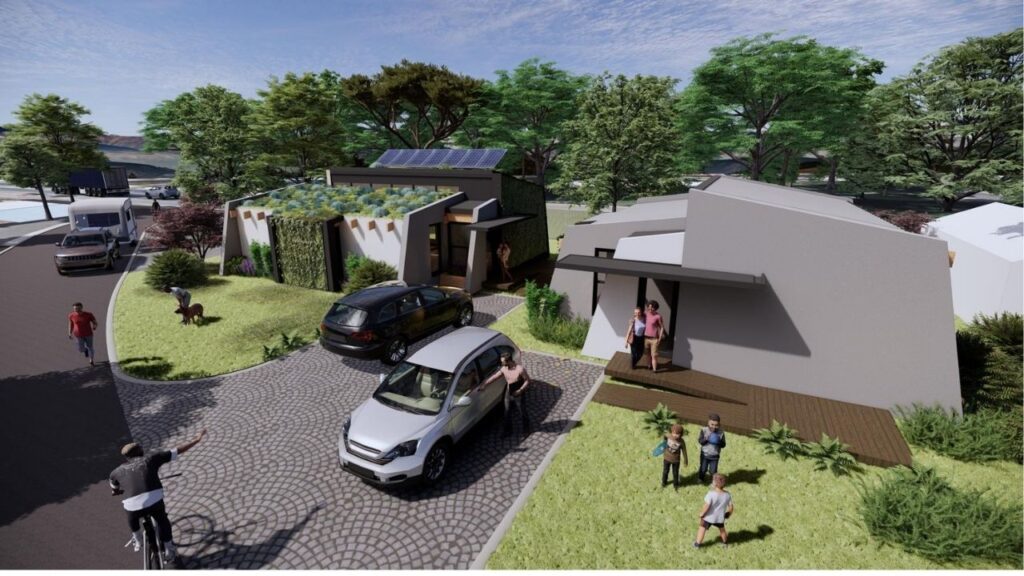
Future Property Group developed EcoHome™, a South Australian-designed housing solution that can be delivered in as little as three months using modern methods of construction, reducing build times while improving operational efficiency and environmental performance.
Cummins said solving Australia’s housing shortage will require governments and industry to focus on innovation as much as investment.
“The way we build today is not sustainable for tomorrow. We need to rethink how we design, manufacture and deliver homes to give us every opportunity to improve affordability, increasing supply and build communities that are fit for the future.”
ENDS