Heritage, Funding and Freight: The Hidden Drivers of Ticket Prices (at the Sydney Opera House )
OPINION piece by Simon Dwyer
Posted on Monday 27 April 2026
*This opinion piece first appeared on LINKEDIN and was in response to an article posted on the Sydney Times by Axel Ritenis, Editor Sydney Times,,which was critical of Sydney Opera House Ticket
pricing policy found here:https://www.sydneytimes.net.au/arts-culture/a-house-for-the-few-growing-backlash-over-sydney-opera-house-ticket-prices/
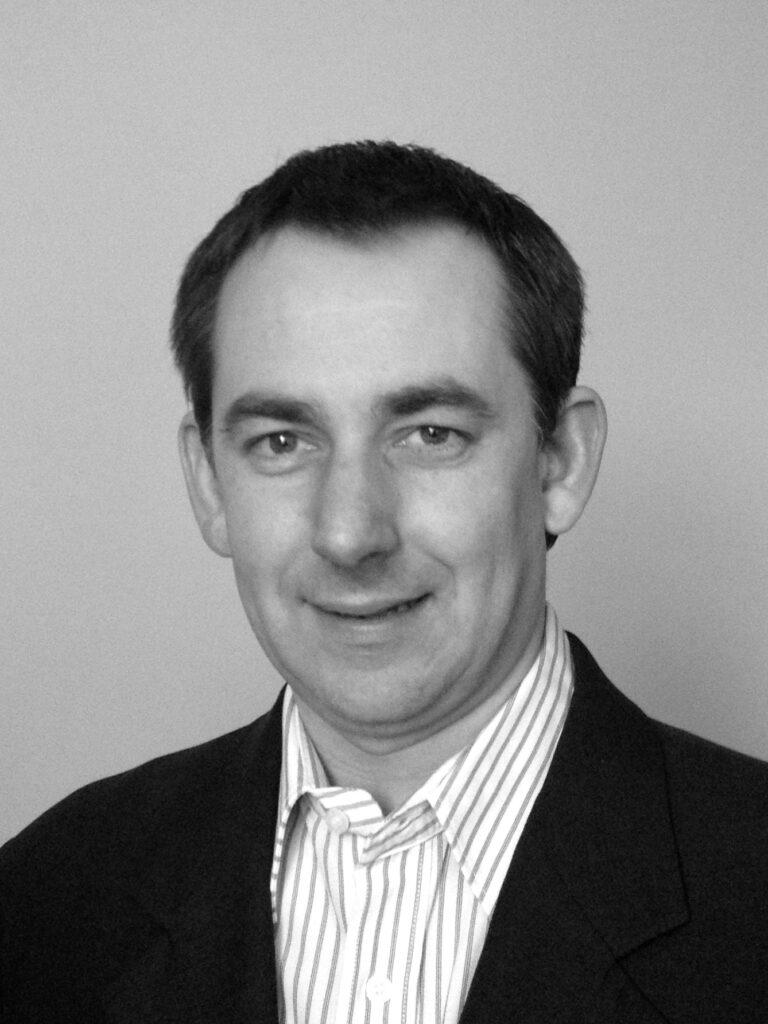
Simon Dwyer (Bio note attached & printed at conclusion of this post)
The Sydney Times’ piece by Axel Ritenis on Sydney Opera House ticket prices captures a frustration many people feel, but the #economics behind the building, its companies, and its #programming are far more complex than the headline suggests.
Sydney simply doesn’t operate on the same funding model as Vienna, Milan or London. Those houses receive deep, ongoing public subsidy that keeps ticket prices low. The Sydney Opera House, by contrast, is expected to earn the majority of its revenue commercially. When government funding is limited, the only remaining levers are venue hire, #tourism, and #ticketing.
Layer onto that the reality of running a World Heritage–listed building. Almost every upgrade — from lighting to air‑handling units — requires bespoke engineering, heritage approvals, and custom fabrication. These costs don’t disappear; they sit underneath every #performance.
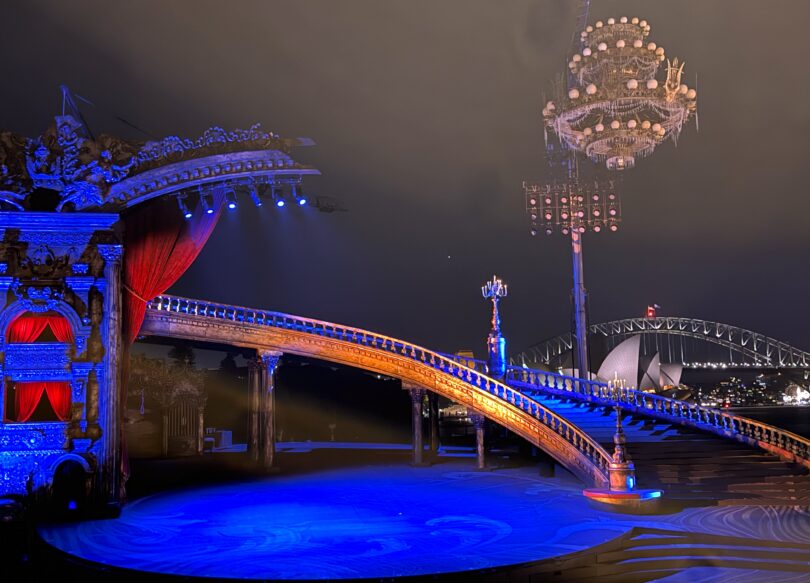
It’s also worth remembering that the Sydney Opera House is primarily a venue. Most productions — #opera, #ballet, #musicals, international tours — set their own prices. The current Phantom of the Opera on Sydney Harbour is a perfect example: it’s independently produced by Opera Australia, with its own budget, freight costs, cast, and risk profile. A 1,500‑seat theatre trying to recover multimillion‑dollar production costs will always land at a higher per‑seat price than a 3,000‑seat house like the Met.
But the narrative that the people’s house is “only for the wealthy” also overlooks the parts of the programme designed precisely for accessibility. School holiday performances routinely include free or low‑cost activities across the site. Creative Learning programmes — from workshops to digital resources — are deliberately priced to ensure young people and families can participate without financial barriers. These programs reach thousands every year, often at a fraction of the cost of a single premium ticket.
The access gap is real, and the public is right to raise it. But the solution isn’t to ask the Sydney Opera House or its resident companies to absorb losses they cannot sustain. If #NSW wants European‑style affordability, it needs European‑style policy settings: targeted subsidies, resident‑focused pricing, or a tourism levy to offset local attendance.
The Sydney Opera House isn’t becoming expensive because it wants to be exclusive. It’s expensive because it is under‑subsidised, heritage‑constrained, commercially mandated, and home to companies carrying significant production costs in small venues.
If we want a different outcome, we need a different funding model — not a different villain.
Original Article: https://lnkd.in/ecyaTmH9
Image Credit: Daniel Boud & Don Mcmurdo
Bio Note:
Simon Dwyer is a heritage and infrastructure specialist whose work integrates scholarly research with the technical and operational demands of major cultural venues. With more than 400 production credits – from Māori opera to large-scale theatre, corporate events, festivals, rock concerts, civic ceremonies, and dance – he brings deep insight into live performance ecologies. Over two decades at the Sydney Opera House, he advanced from technical management into senior roles leading building services, infrastructure strategy, and heritage sensitive capital works. His academic research examines the cultural, technical, and historical significance of building services and the systems that sustain performance environments.