A HOUSE FOR THE FEW”: GROWING BACKLASH OVER SYDNEY OPERA HOUSE TICKET PRICES
Arts & Culture Desk | The Sydney Times/Written by Axel Ritenis /Arts & Culture Desk/Edited and fact checked in the Newsroom
SYDNEY — Tuesday 14 April 2026
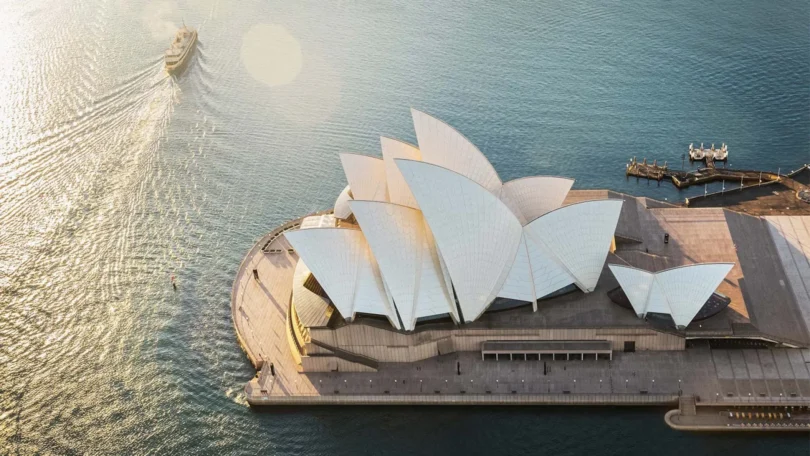
The gleaming white sails of the Sydney Opera House are once again at the center of a stormy debate, not over architecture, but accessibility. As the 2026 winter season kicks off, a growing chorus of local patrons, international tourists, and industry critics are labeling the landmark’s ticket prices “prohibitively elite,” sparking concerns that Australia’s premier cultural asset is becoming a gated community for the wealthy.
“The backlash comes as average ticket prices for marquee performances—including high-profile operas and contemporary international tours—regularly breach the $350 mark, leaving many regular theatre-goers priced out of the nation’s most famous rooms.”
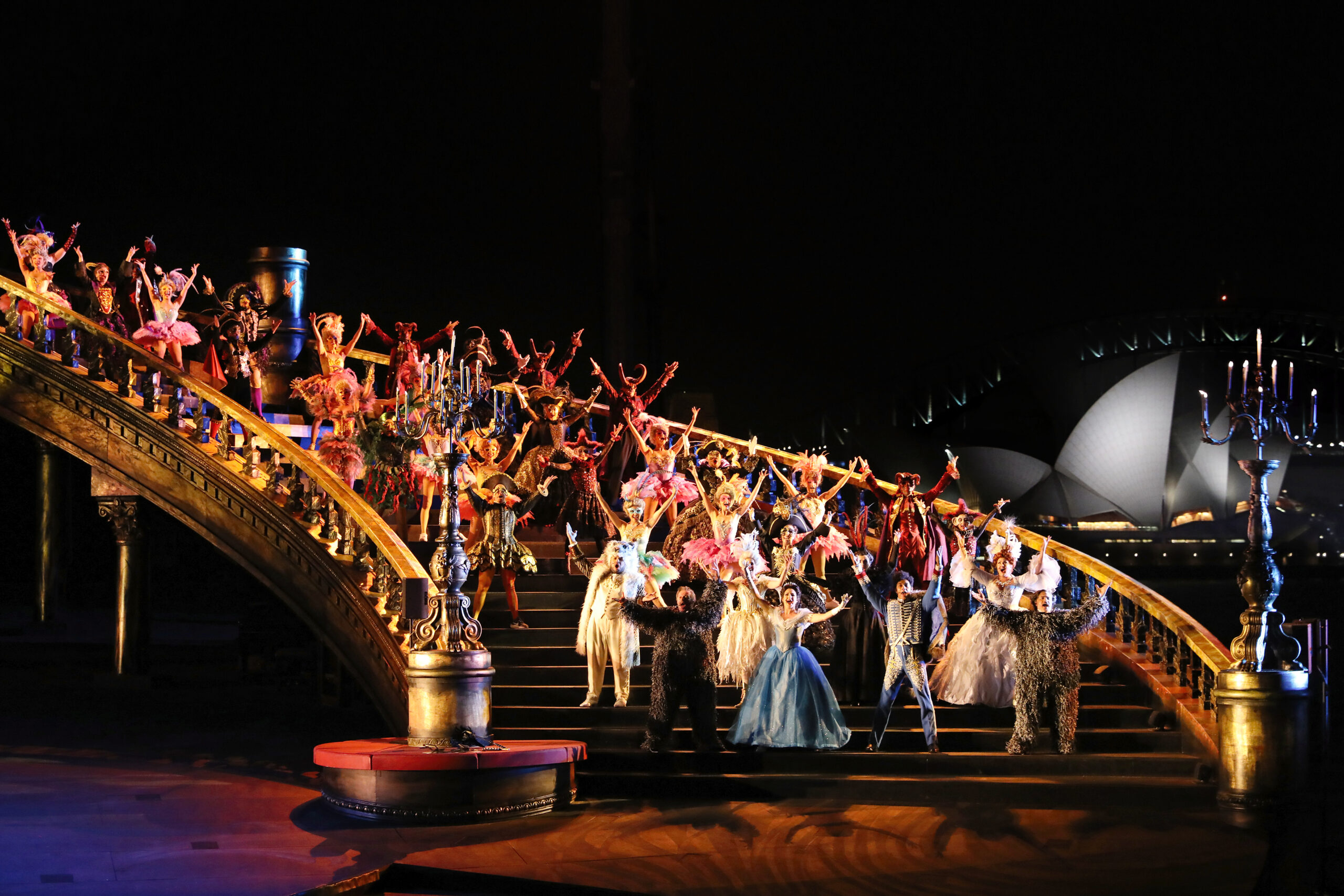
The “Price of the Pedestal”
For many, the frustration lies in the perceived gap between the Opera House’s mission as a public icon and its commercial reality.
“It was built for the people of New South Wales, but it’s priced for the 1 per cent,” said one long-time subscriber to Opera Australia. “When a family of four can’t see a production for less than a thousand dollars after you factor in parking and a program, something has gone fundamentally wrong with our cultural priorities.”
The Core Complaints Include:
-
“Dynamic” Pricing: Critics argue that the use of airline-style dynamic pricing—where tickets increase in cost as demand rises—punishes early adopters and rewards only those with deep pockets.
-
Premium Surcharges: The introduction of “Gold” and “Platinum” experience packages has seen prime stalls seating reserved for those willing to pay a 40% markup on top of standard ticket prices.
-
The “Sydney Tax”: Comparison data suggests that seeing a world-class production at the Opera House is now significantly more expensive than attending similar venues like the Royal Opera House in London or the Met in New York.
Management Defends the “World-Class” Premium
In response to the criticism, Sydney Opera House management has pointed to the staggering costs associated with maintaining a World Heritage-listed site and the soaring expenses of international logistics.
“Our goal is to remain a world-class venue that attracts the highest tier of global talent,” a spokesperson said. “The production values, the technical requirements of the Joan Sutherland Theatre, and the cost of bringing elite performers to Sydney in 2026 are reflected in the pricing. However, we remain committed to our ‘Insiders’ and ‘Under 30s’ programs to ensure younger generations have a foot in the door.”
The “Cheap Seats” Lottery: A Fragmented Solution
While $21 “rush” tickets and standing-room lotteries exist, they are often described as “win-a-lottery” access that fails to address the middle-class squeeze. Industry analysts suggest that without a more robust government subsidy specifically targeted at lowering price points for local residents, the Opera House risks losing its cultural relevance to younger, diverse audiences who are turning to boutique venues and digital streaming.
Our Analysis: A Monumental Dilemma
“The Sydney Opera House is a symbol of Australian egalitarianism, yet its ticket portal currently tells a different story. If the “House” continues to prioritize global tourism revenue over local accessibility, it risks becoming a beautiful shell—admired from the outside by millions, but understood from the inside by very few.”
Sydney Times publisher Axel Ritenis observes “that the Sydney Opera House is like the Sydney Fish Market in the sense that they charge very high prices that suit international travellers and visitors who have a currency exchange advantage when they visit Australia.This practice discriminates against the local arts and culture afficianados/patrons and is certainly is not an egalitarian pricing model.”
As the cost-of-living crisis continues to bite in 2026, the question for the NSW Government is clear: Is the Opera House a museum for the elite, or a living theatre for everyone?
PUBLISHER’S NOTE: Have you been priced out of a show you wanted to see? The Sydney Times is investigating the cost of culture in 2026.
*Current Handa edition of Phantom of the Opera Ticket Prices
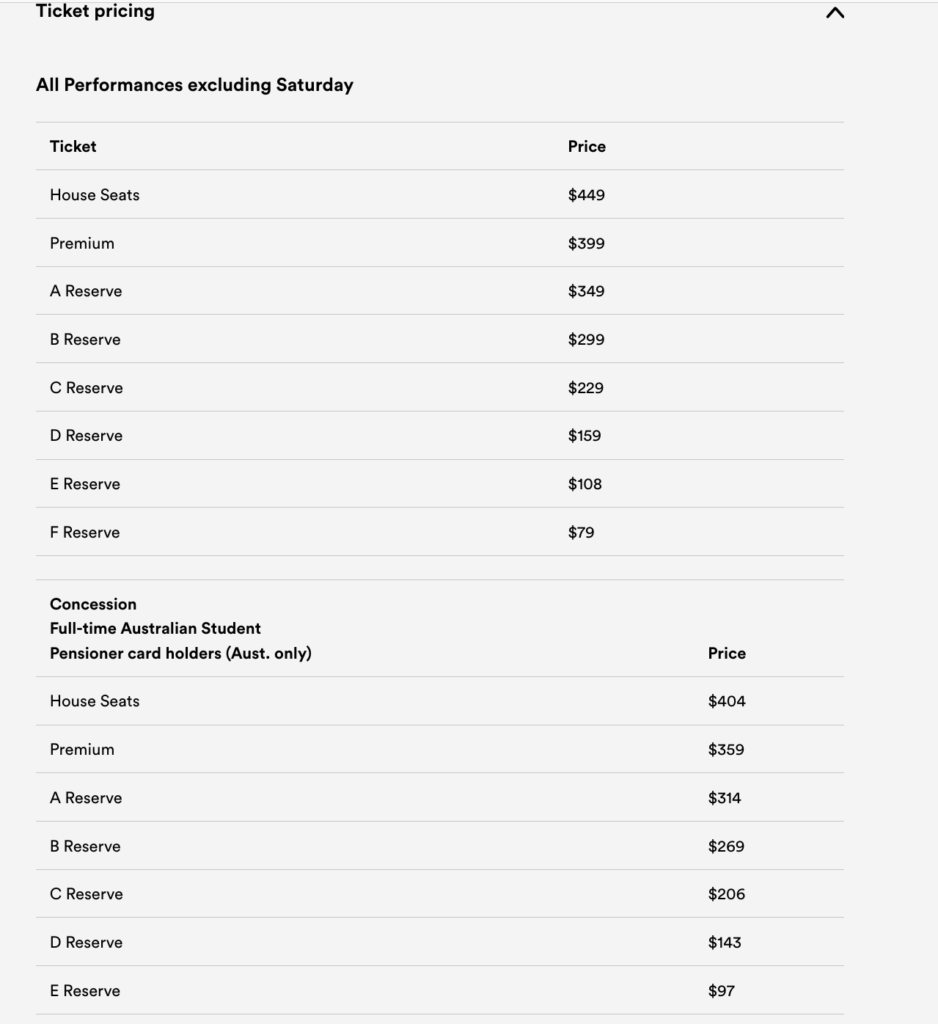
Price Comparison Guide for 2026, putting the Sydney Opera House’s current ticketing landscape into a global context.
GLOBAL ARTS AUDIT: HOW SYDNEY COMPARES IN 2026
While the Sydney Opera House remains an architectural marvel, our data shows a widening gap in the “cost per performance” when compared to other world-leading cultural institutions. This guide compares standard Mid-Stalls/Premium seating for flagship opera and ballet productions.
Price Comparison Table: Standard “Mid-Tier” Stalls
| Venue | City | Avg. Ticket (AUD) | Top Tier/Premium (AUD) | “Rush” / Low-Cost Options |
| Sydney Opera House | Sydney | $285 – $350 | $450+ | Limited $21 lotteries |
| Royal Opera House | London | $180 – $240 | $380+ | Friday Rush (£25) |
| The Metropolitan Opera | New York | $210 – $290 | $550+ | $25 Weekday Rush |
| La Scala | Milan | $150 – $210 | $420+ | Gallery standing (€15) |
| Vienna State Opera | Vienna | $120 – $190 | $350+ | Standing room (€10-20) |
Key Factors Driving the “Sydney Tax”
-
The Logistic Premium: Being at the end of the global tour circuit means international sets, costumes, and lead talent incur significantly higher freight and travel costs compared to the European or North American “hubs.”
-
Venue Intimacy vs. Capacity: The Joan Sutherland Theatre is notoriously small for a premier opera house (approx. 1,500 seats). Smaller capacity means the cost per seat must be higher to cover the same production budget as a 3,000-seat house like The Met.
-
Dynamic Pricing Algorithms: Unlike many European houses that maintain fixed “zones,” Sydney has leaned heavily into demand-based pricing. This can see a ticket price jump by $50–$100 in a single afternoon if a show trends on social media.
Hidden Costs: Beyond the Ticket
The “Total Night Out” cost at Circular Quay has also seen a sharp rise in 2026. Patrons are reporting that the ticket is often only 60% of their total spend:
-
Parking: Evening rates at the Opera House car park now frequently hit $60–$80 for a 4-hour window.
-
Dining: A pre-show “quick bite” and two drinks at a Circular Quay bistro now averages $110 per person.
-
Booking Fees: Transaction fees for premium performances have crept up to $9.50 per order, a point of frequent irritation for local patrons.
Sydney Times Analysis: The “Access Gap”
The data confirms what many locals feel: Sydney is currently the most expensive city in the Western world to experience elite performing arts on a “standard” budget.
While Vienna and Milan offer substantial standing-room and “Upper Gallery” options for the price of a movie ticket, Sydney’s lowest price points are increasingly restricted to restricted-view seats or highly competitive lotteries.
Without a move toward the European model of heavily subsidized “Youth and Pensioner” blocks, the Opera House risks its reputation as a “House for the People.”
PUBLISHER’S NOTE: The Sydney Times is calling on the NSW Ministry for the Arts to review accessibility subsidies. Should a portion of tourism tax be used to lower ticket prices for residents?
Have Your Say : editor@sydneytimes.net.au