
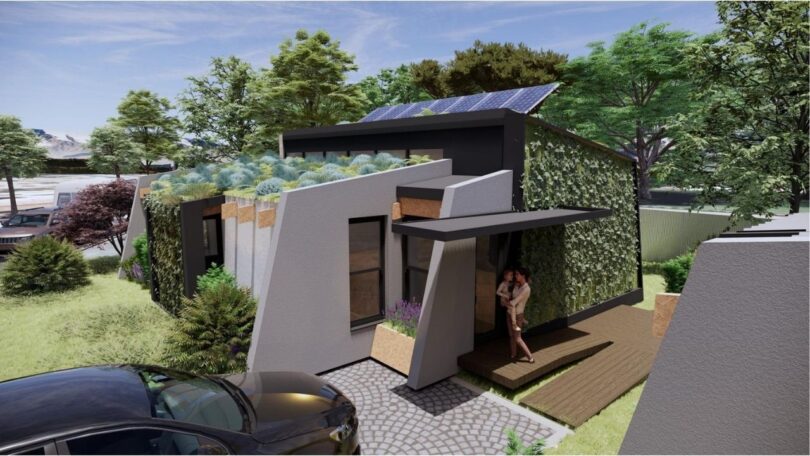

Pioneering a Green Future: Can Eco-Friendly Prefab Homes Solve Australia’s Housing Crisis?
News article based on a Publicity Media Release Posted 16 June,2026
SYDNEY — As Australia battles a relentless housing shortage, skyrocketing construction costs, and intense pressure to accelerate residential development, industry experts are warning that traditional building methods are no longer fit for purpose. Instead, the solution to the nation’s housing crisis may require a fundamental shift in how we build altogether.
David Cummins, Managing Director of Future Property Group and a property development leader with more than 20 years of experience delivering over $2 billion in projects, is available to comment on whether eco homes and modern methods of construction could help solve Australia’s housing crisis.
Through Future Property Group, Cummins is pioneering EcoHome™, an innovative prefabricated housing solution engineered to be faster to build, more cost-effective, and vastly more sustainable than traditional brick-and-mortar construction.
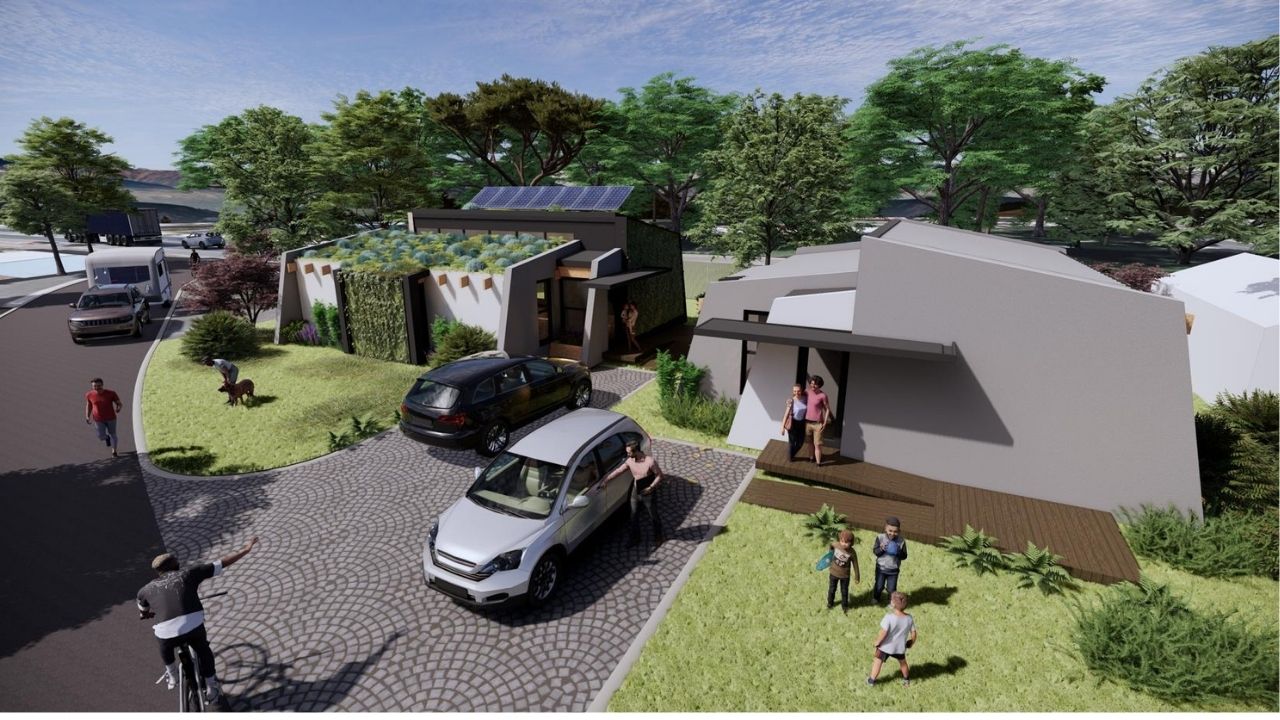
Redefining Speed and Affordability
A central pillar of the modern construction movement is prefabrication. Long plagued by outdated misconceptions of being low-quality or visually unappealing, modern prefab homes are turning the tables by proving they can deliver high-end design and structural integrity at a fraction of the time and cost.
“We need construction methods that are faster, smarter, and more sustainable if Australia has any hope of meeting its current housing demands,” Cummins noted, stressing that off-site manufacturing significantly cuts down on weather delays and material waste.
By building components in a controlled factory environment and assembling them on-site, prefab solutions can dramatically compress project timelines. This speed does not come at the expense of quality; rather, precise factory engineering often results in tighter tolerances and better insulation than standard builds, directly addressing the rising cost of materials currently squeezing Australian developers.
The Rise of the Regenerative “Eco Home”
Beyond merely putting roofs over heads, Cummins argues that the next generation of Australian housing must be designed to give back more to the environment than it takes.
The EcoHome™ model focuses on regenerative, nature-positive design. This approach aims to reduce carbon emissions during both the construction phase and the lifetime operation of the building, while ultimately creating healthier, more resilient communities. Because these homes feature lower operating costs through advanced energy efficiency, they offer long-term financial relief to homeowners facing high utility bills.
“There is a misconception that eco-friendly housing is a luxury niche or something far off in the future,” says Cummins. “In reality, mainstream adoption is closer than many think, and it is fast becoming an economic necessity.”
As federal and state governments scramble for policy levers to boost supply, the integration of eco-homes and prefab technology offers a viable, scalable blueprint to transform the Australian property landscape—addressing the immediate housing shortage while safeguarding the environment for the future.
With Australia facing an ongoing housing shortage, rising construction costs and increasing pressure to build more homes at pace, I wanted to put an expert on your radar who believes the solution may lie in rethinking how we build altogether.

David Cummins, Managing Director of Future Property Group and a property development leader with more than 20 years of experience delivering over $2 billion in projects, is available to comment on whether eco homes and modern methods of construction could help solve Australia’s housing crisis.
Through Future Property Group, David is pioneering EcoHome™ – an innovative prefab housing solution designed to be faster to build, more cost-effective and more sustainable than traditional construction. With lower operating costs and a focus on regenerative design, he believes eco homes have the potential to transform not only how Australians live, but how the nation tackles its housing shortage.
Drawing on more than two decades in construction and development, David combines large-scale industry experience with a research-led approach to sustainable innovation, making him well placed to discuss whether eco homes could become the blueprint for Australia’s future housing market.