

Why Justin Bieber’s Coachella Set Signals a Shift From Performance to Intimacy
By Shelley Friesen, Founder and Director, Melbourne Social Co
Entertainment News Story/Posted on Monday 20 April,2026
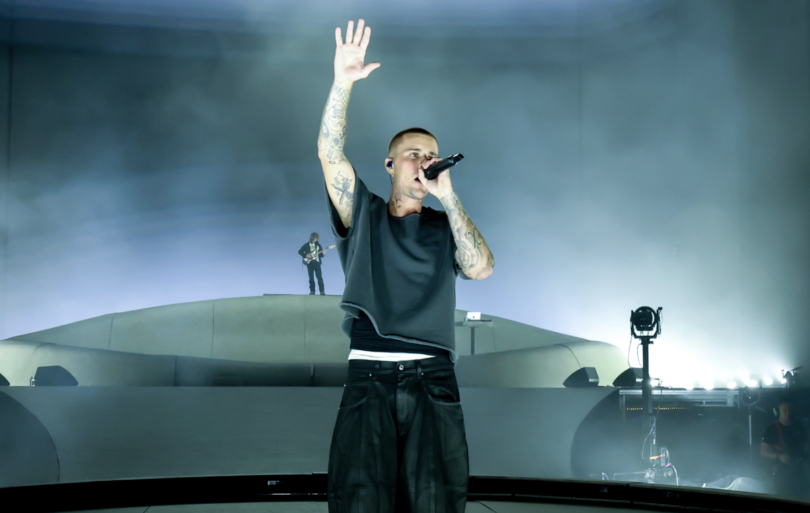
When Justin Bieber took to the stage at Coachella this weekend, he didn’t deliver the kind of headline performance audiences have come to expect.
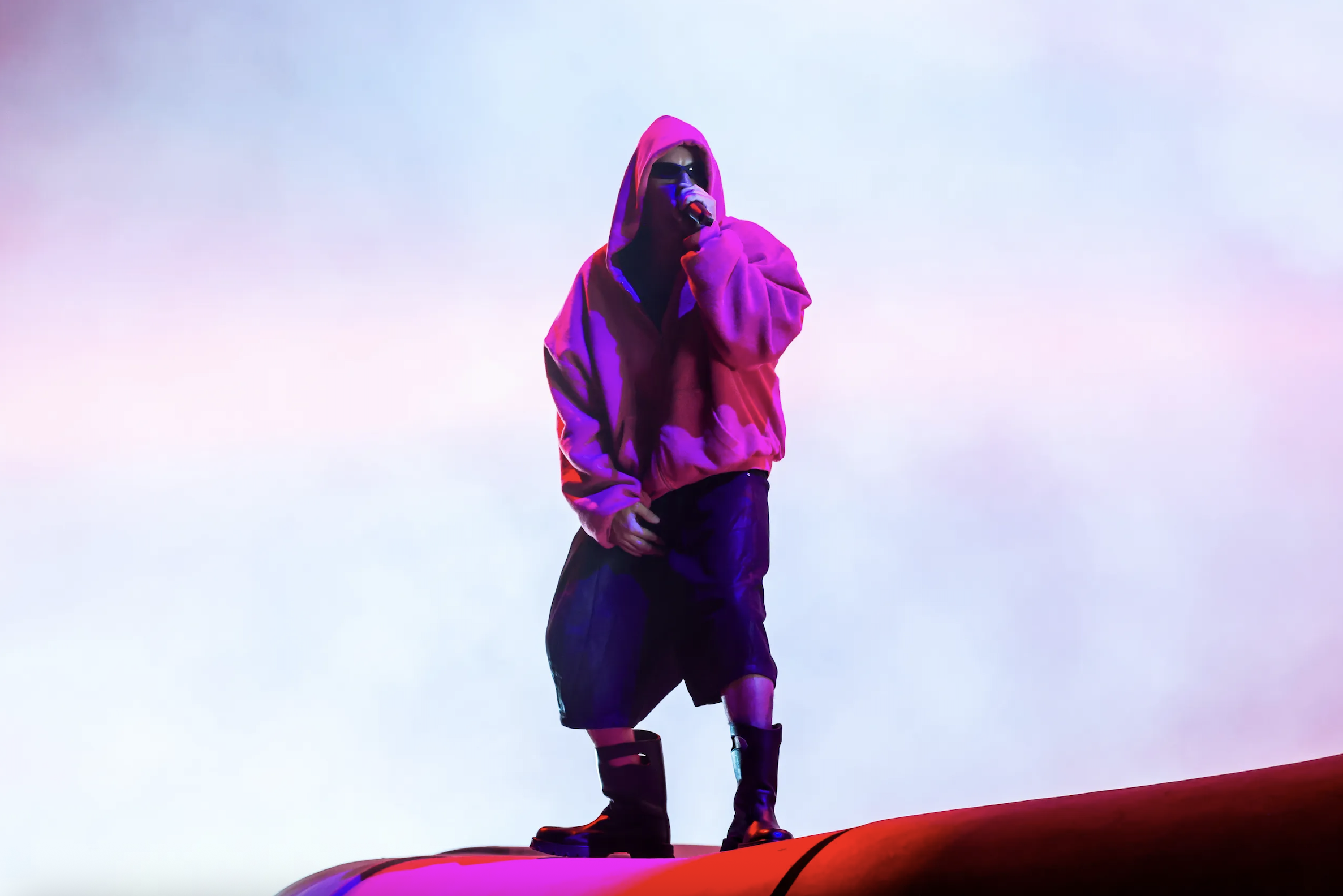
There were no elaborate visuals, no tightly choreographed routines, and no high-production spectacle. Instead, Bieber appeared in a hoodie, opened his laptop, scrolled through YouTube, reacted to memes about himself, and spoke directly to his audience in real time – both those in the crowd and those watching online.
For some, the set felt underwhelming. For others, it was quietly compelling. But regardless of where audiences landed, it captured attention – and more importantly, it revealed something deeper about where audience expectations are heading.
What Bieber delivered wasn’t a performance in the traditional sense. It was presence.
“For years, scale has been the dominant currency of live entertainment and brand storytelling alike. Bigger stages, higher budgets, and more polished production have been seen as the markers of success. But that model is starting to shift. Audiences are increasingly drawn to experiences that feel immediate, unfiltered, and human.”
This is part of a broader movement away from perfection and towards intimacy.
The rise of lo-fi content across social platforms has already demonstrated this. What appears effortless is often highly intentional, designed to feel native, responsive, and real. The brands and creators resonating most strongly right now are not necessarily those producing the most polished content, but those showing up with clarity, personality, and directness.
Founder-led brands offer a clear example. When founders speak directly to their audience – sharing context, responding in real time, and bringing their perspective to the forefront – engagement tends to deepen. Trust builds faster. The distance between brand and audience narrows.
Bieber’s Coachella set mirrored this dynamic, but on a global stage.
“By incorporating YouTube into the performance – reading comments, reacting to content, and engaging in a live dialogue – he shifted the experience from something audiences passively consumed to something they actively participated in. In doing so, he tapped into a growing appetite for shared experience.”
In an era of highly personalised feeds and algorithm-driven content, moments that feel collective are increasingly rare – and therefore more valuable. Live interaction, community commentary, and real-time response create a sense of connection that highly produced content often cannot replicate.
Another key layer to the performance was nostalgia.
By revisiting early YouTube videos and reflecting on his beginnings, Bieber introduced a narrative thread that extended beyond the present moment. Nostalgia has become a powerful cultural and marketing tool in recent years, not simply because it references the past, but because it invites personal reflection.
Audiences don’t just remember where an artist came from – they remember where they were at that time. The music they were listening to, the version of themselves they were becoming, and the distance they’ve travelled since. This emotional recall creates a depth of connection that is difficult to manufacture through spectacle alone.
In a world that feels increasingly complex and fast-moving, nostalgia offers something grounding. It connects people to something familiar, stable, and human.
Taken together, these elements point to a broader shift in how attention is earned and held.
The future of engagement is not purely about scale or production value. It is about access, authenticity, and participation. It is about creating moments that feel lived-in rather than performed, and experiences that audiences can step into, rather than simply observe.
For brands, the implications are clear. The most effective strategies will not be those that prioritise polish above all else, but those that understand how to build connection – through storytelling, through presence, and through a willingness to show up in a more human way.
Bieber’s Coachella set may not have followed the traditional headline formula. But in doing so, it reflected a shift that has been building for some time. Audiences are no longer just looking to be impressed. They are looking to feel something.