

100 Days of Conflict: How the Iran War Is Shattering the Gulf’s ‘Safe Haven’ Illusion
World News/Based on an original DW report/ Edited using Gemini AI
Posted 06 June 2026
Dubai — As the US-Israeli conflict with Iran marks its 100-day milestone, the member states of the Gulf Cooperation Council (GCC) find themselves facing a fundamental crisis.
The military engagement, which began with massive joint strikes on Iran on February 28, has shattered the long-standing assumption that the Gulf states could insulate their soaring economies from regional warfare.
Despite a nominal ceasefire, Bahrain, Kuwait, Oman, Qatar, Saudi Arabia, and the United Arab Emirates (UAE) are trapped in a high-stakes balancing act.
The region’s hyper-modern infrastructure is being systematically tested by thousands of ballistic missiles and drones, while a dual blockade of the strategic Strait of Hormuz by both the US and Iran has choked off vital trade corridors.
Tourism and Aviation Under Siege
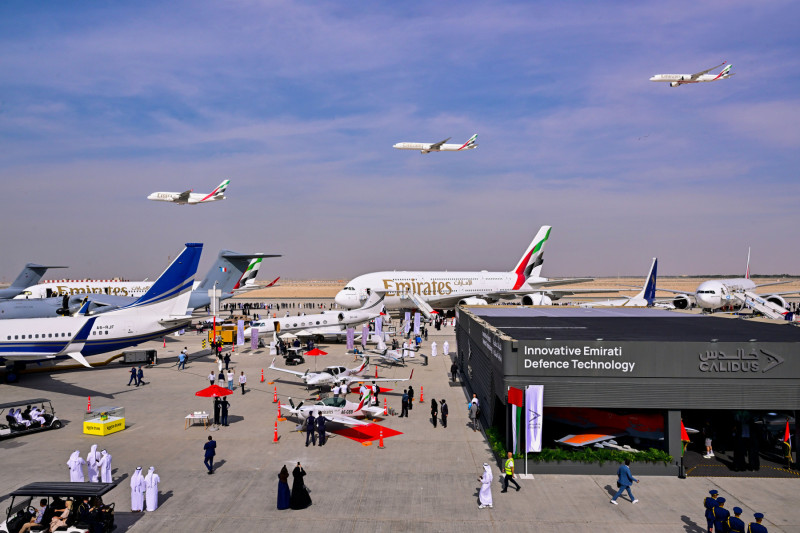
For the past decade, Gulf nations—most notably the UAE and Saudi Arabia—have poured billions into ambitious economic diversification blueprints, shifting away from oil dependency toward luxury tourism, aviation, logistics, and artificial intelligence.
The war has hit those exact vulnerabilities:
‘Set Back by 10 to 20 Years’
The physical destruction of energy infrastructure has altered long-term development projections. Following the strike on the Ras Laffan facility, QatarEnergy Chief Executive Saad Al Kaabi issued a bleak assessment to the BBC, confirming that repairing the industrial hub will take up to five years. Al Kaabi warned that the sheer scale of the bombardment has effectively “set the region back by 10 to 20 years.”
The economic fallout, however, is exposing a sharp divide between the Gulf nations based entirely on their access to alternative trade routes.
“The Gulf’s image as a safe haven has certainly been shattered in the short to medium term. Potential tourists have been reminded of where the country is located… they will now think twice or even three times before deciding whether to go to the Emirates.” — Pauline Raabe, Gulf Observer at Middle East Minds
The Crumbling Hospitality Sector
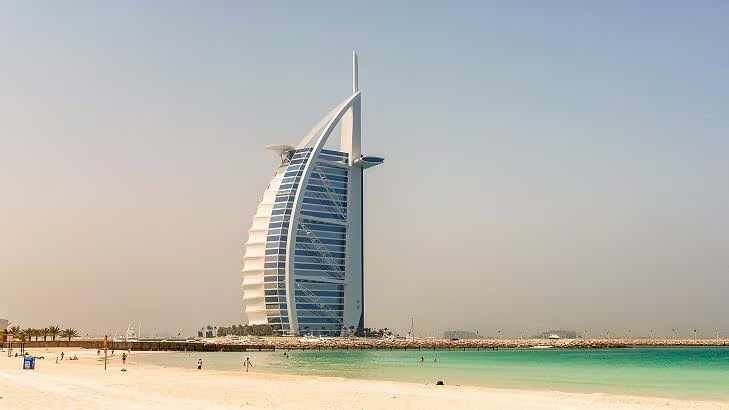
The reputational damage to the region’s luxury lifestyle brand is turning into an immediate commercial crisis. Financial analysis firm Moody’s recently issued a stark forecast, predicting that hotel occupancy rates in Dubai—historically a global benchmark for luxury hospitality—will plummet from an average of 80% down to just 10% in the second quarter of 2026.
Regional analysts suggest that even if the blockades at the Strait of Hormuz are lifted via ongoing peace negotiations, the broader economic architecture will remain permanently altered. Ongoing higher risk premiums are expected to drive up import costs across the board, ensuring that the financial scars of this 100-day war will persist long after the missiles stop flying.