
SHOWDOWN OVER PORT OF DARWIN: LANDBRIDGE LAUNCHES WORLD BANK LITIGATION TO BLOCK AUSTRALIAN PORT TAKEOVER
Australian National Security news | The Sydney Times
Written by Axel Ritenis
Posted Sunday 24 May 2026
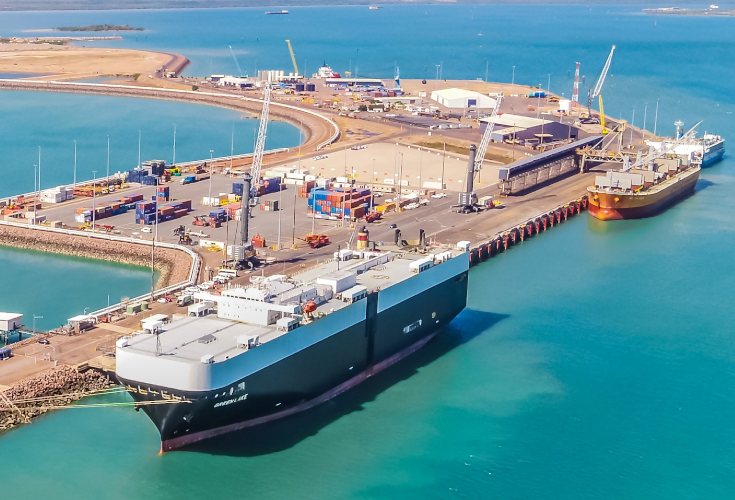
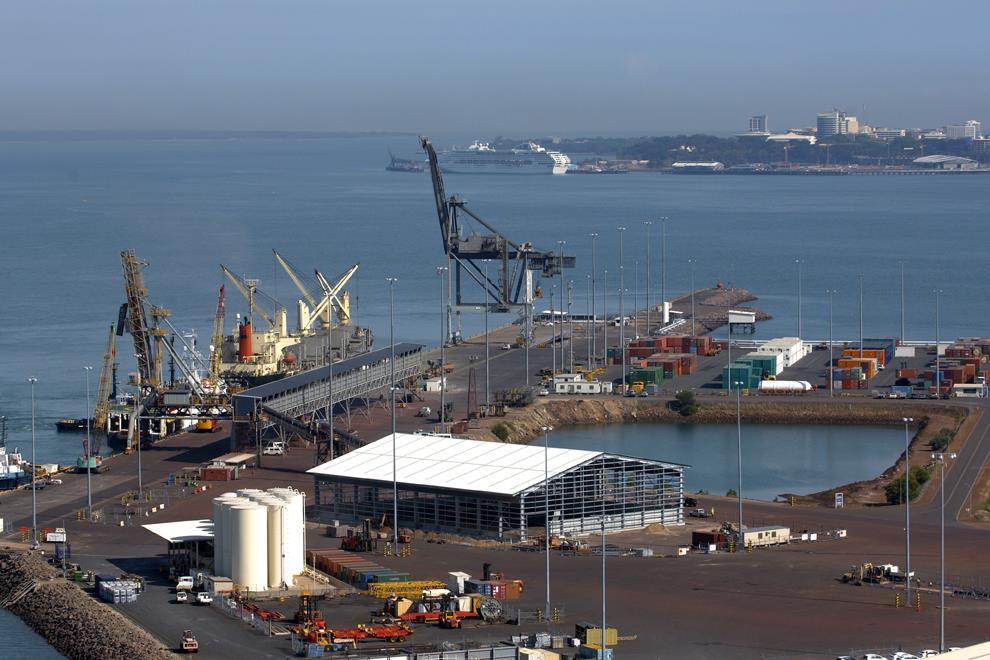
The ongoing dispute over the control of northern Australia’s most vital maritime gateway has escalated into a high-stakes international legal showdown. Shandong-based infrastructure giant Landbridge Group has broken its silence, remaining fiercely defiant against the Albanese Government’s efforts to force a sale of its 99-year lease on the Port of Darwin. Sydney Times editor and publisher Axel Ritenis asks “How did we get ourselves into such a ridiculous situation and can an Australian company own/lease a port in China ? The Federal government will need to deal with this “festering problem” and face down China’s inevitable “economic threats and political manipulations” with appropriate legislation and a legal framework that guards and protects our national sovereignty !
Rather than bowing to Canberra’s intensifying pressure, Landbridge’s billionaire owner, Ye Cheng, has pulled the trigger on unprecedented international legal action. The private Chinese firm has officially lodged a claim against the Commonwealth with the World Bank’s International Centre for Settlement of Investment Disputes (ICSID), setting up an explosive battle over sovereign infrastructure, national security, and global trade law.
The Defiant Stance: “Discriminatory and Illegal”
In an official corporate dispatch, Landbridge has categorized the Australian government’s push for a forced divestment as a direct breach of the China-Australia Free Trade Agreement (ChAFTA).
The company’s Australian management team emphasizes that the asset was won fairly during the original $506 million bidding process back in 2015.
“Landbridge acquired its interest in the port through a fair, open, and competitive process in full compliance with all applicable Australian laws… Multiple Australian government reviews have confirmed there are no national security concerns. We are now taking the necessary steps to protect our legal rights.” — Official Statement from the Landbridge Board
Landbridge’s legal strategy is clear: paralyze the government’s acquisition timeline. The company expects the Commonwealth to freeze any hostile regulatory or legislative maneuvers while the World Bank tribunal adjudicates the claim.
The Legislative Hammer: Canberra Refuses to Back Down
The legal filing has been met with bipartisan irritation in Canberra. Deputy Prime Minister and Defence Minister Richard Marles voiced the government’s disappointment but reaffirmed that the Commonwealth would not be deterred by international arbitration.
The federal government is currently moving forward with planned, specialized legislation designed to systematically strip Landbridge of the asset on national security grounds if a private commercial buyer cannot be secured.
-
The Compulsory Acquisition Threat: The proposed framework will grant the Commonwealth emergency powers to forcibly acquire the leasehold interest, paying out what the government deems “fair market value” compensation.
-
The Strategic Flashpoint: Bipartisan urgency has spiked due to the port’s location directly across the harbor from the Larrakeyah Defence Precinct, which hosts thousands of rotating US Marines annually and handles critical logistics for upgraded US bomber aircraft runways.
The “Gatekeeper’s” Analysis: A Dangerous Domino Effect
This dispute has officially moved out of the realm of routine commercial litigation and into the arena of gray-zone geopolitical warfare.
-
A Precedent-Setting Shield: From a legal standpoint, this is the first time a Chinese corporate entity has used an investor-state dispute mechanism directly against the Australian Commonwealth. Landbridge is drawing a line in the sand, not just for Darwin, but as a warning against Western governments attempting to claw back “Belt and Road” style infrastructure investments globally.
-
The Sovereignty Trap: From an investigative lens, the defense apparatus has recognized that private Chinese firms cannot be viewed through a standard capitalist framework. Under Beijing’s National Intelligence Law, any Chinese entity can be compelled to cooperate with state security apparatuses. No matter how many local independent directors Landbridge appoints, the ultimate beneficial ownership remains a strategic vulnerability.
-
The Compensation Crisis: As an advocate who has spent years analyzing valuation and industrial contracts, a forced takeover via legislation puts Australian taxpayers on a dangerous hook. The Port of Darwin has reportedly faced significant financial losses over consecutive fiscal years. Forcing a buyout means the public may end up paying a premium to rescue an asset that private Australian superannuation funds are highly hesitant to touch.
What Happens Next?
The World Bank filing effectively blocks the government’s hopes for a quiet, backroom transition to an Australian consortium. If Canberra pushes its legislative takeover through Parliament while the ICSID case is active, it risks severe retaliatory trade measures from Beijing, which has already warned of “economic consequences” if its companies are forcefully evicted.
The battle for Darwin is no longer just about shipping lanes; it has become a litmus test for whether a Western democracy can successfully reclaim its critical infrastructure once it has been leased away.
PUBLISHER’S NOTE: The 99-year lease was an short-sighted failure of domestic economic policy in 2015. But is forcing a takeover and risking a multi-billion dollar international lawsuit the correct remedy in 2026?
Should the government take the port back by force? Tell us what you think and send your Op-Ed to editor@sydneytimes.net.au
To watch the developing situation, this news report outlines the dynamic between the Australian government’s goals and the legal stance of the port’s owners. Federal government defiant in plans to take back Darwin port