
Cebu ASEAN Summit to Tackle Energy Crisis and Maritime Tensions
-ASEAN Summit 2026: Manila Charts a “New Equilibrium” Amid Regional Storms
*News aggregator article generated by Editor A.Ritenis/Checked in Moble Newsroom and Posted in Cebu City Monday 04 May 2026
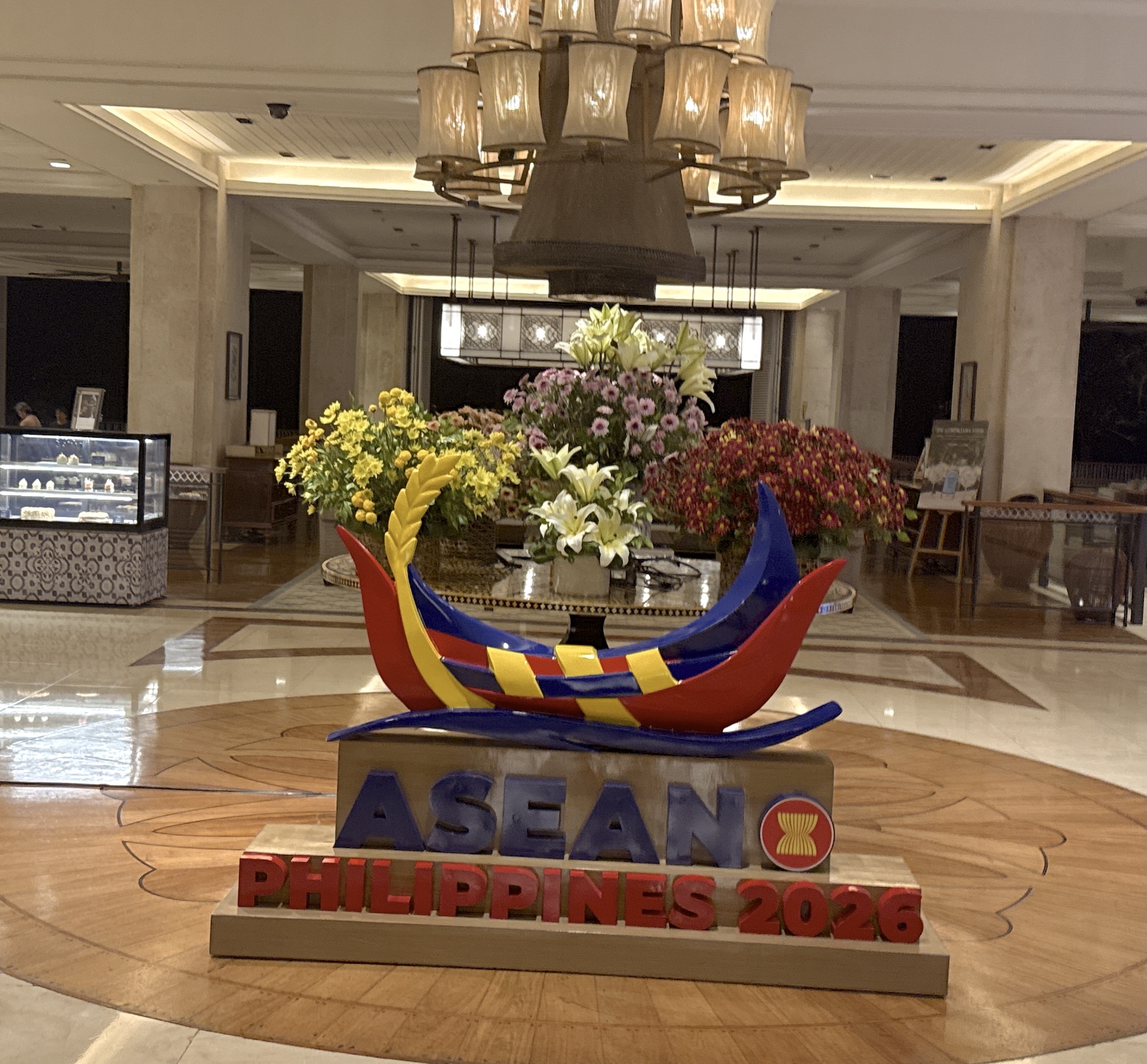
CEBU CITY, Philippines — As the sun rises over the central Philippine hub of Cebu, the 48th ASEAN Summit officially kicks off today with a heavy atmosphere of urgency.
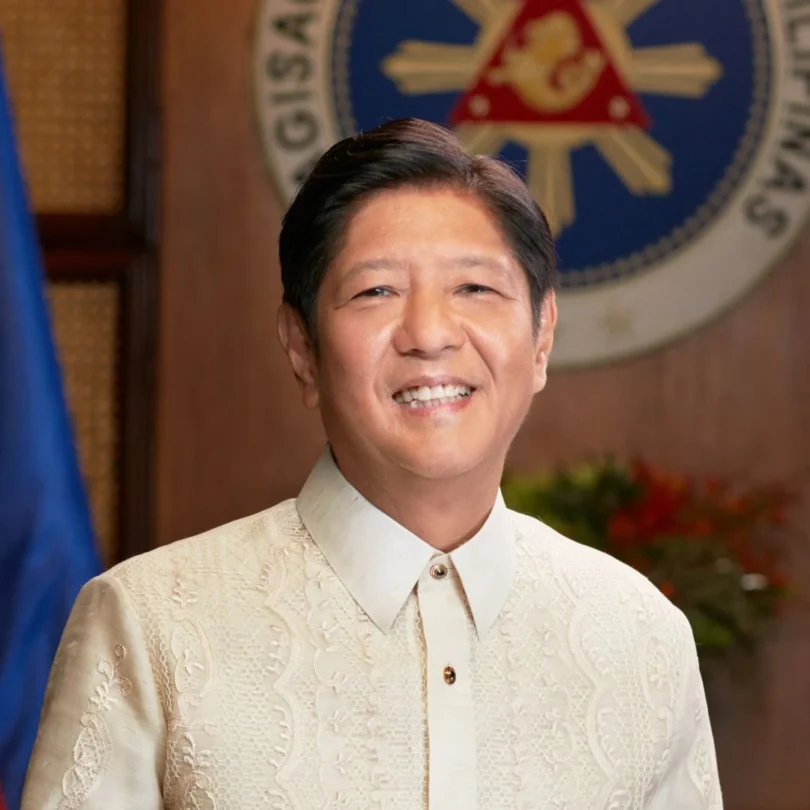
As ministerial sessions begin behind the closed doors of Cebu’s top resorts, the world is watching to see if the Philippines can transform this chairmanship from a period of crisis management into a definitive era of regional resilience.Under the theme “Navigating Our Future, Together,” President Ferdinand “Bongbong” Marcos Jr. has taken the chair at a moment of profound vulnerability for the 10-member bloc, facing a “perfect storm” of energy insecurity, maritime aggression, and fractured internal diplomacy.
Marcos Jr.’s “Three Pillars” and the Energy Emergency caused by Iran Gulf War in Middle East
President Marcos Jr. has anchored his chairmanship on three strategic priorities: Peace and Security Anchors, Prosperity Corridors, and People Empowerment. However, the theoretical becomes practical this week as the region reels from a severe energy crisis.
The conflict in the Middle East—specifically the closure of the Strait of Hormuz following military actions on February 28—has sent oil prices soaring to $95 per barrel. With ASEAN relying on the Middle East for 60% of its oil, Manila is fast-tracking the ASEAN Framework Agreement on Petroleum Security (APSA).
-
Fuel Sharing: The Philippines is pushing for a coordinated emergency fuel-sharing mechanism.
-
Grid Integration: A new Submarine Power Cable Framework is being tabled to accelerate the ASEAN Power Grid, aiming to insulate the region from external supply shocks by sharing renewable energy across borders.
Marcos Jr.’s Strategic Priorities: Energy and “Prosperity Corridors”
President Marcos Jr. has positioned the 2026 chairmanship around three pillars: Peace and Security Anchors, Prosperity Corridors, and People Empowerment.
The most pressing agenda item is the looming energy crisis, exacerbated by volatility in the Middle East. With Southeast Asian economies heavily reliant on imported fuel, the Philippines is pushing for:
-
The Enhanced ASEAN Power Grid: A framework to accelerate multilateral power trade and renewable energy integration.
-
Submarine Power Cable Framework: Technical and legal guidelines to attract investment for cross-border energy connectivity.
-
Green Resilience: Prioritizing “circular economies” and sustainable trade to buffer the region against future global supply shocks.
Defending the West Philippine Sea: A “Forceful” Neutrality
For President Marcos Jr., the summit is a high-stakes balancing act. As the 10th anniversary of the 2016 Arbitral Award approaches, the Philippines is no longer “turning a blind eye” to what it terms coercive actions in its territorial waters.
-
The “Line in the Sand”: In response to China’s increased military presence—including a massive naval task group deployment in late April—the Philippines has intensified its own maritime patrols and recently inaugurated a state-of-the-art Coast Guard station on Thitu Island.
-
The COC Deadline: Manila has set an ambitious goal to finalize a legally binding Code of Conduct (COC). Diplomats are pushing for monthly face-to-face meetings to resolve “milestone issues,” such as incident reporting and the prohibition of offensive maneuvers.
-
Strategic Diversification: Unlike previous administrations, Marcos has pivoted toward “strategic diversification,” strengthening ties with the US and Japan (evidenced by the ongoing Balikatan 2026 exercises) while maintaining that ASEAN must remain the “main character” of regional security.
A House Divided: Myanmar and the Thai-Cambodian Row
Unity remains the bloc’s greatest challenge. Two major internal disputes are threatening the “ASEAN Centrality” Marcos seeks to preserve:
-
The Myanmar “Sham” Election: Following the January 2026 general elections, where the military-backed USDP claimed 72% of seats, ASEAN is deeply split. While Thailand leans toward re-engaging with Naypyidaw, Singapore and the Philippines have labeled the process a “bypass of democracy essentials.” The bloc officially maintains it will not recognize the election results, leaving Myanmar’s seat at the summit vacant.
-
Thailand-Cambodia Border Friction: Fresh combat broke out in late 2025, and tensions have spiked again this week. Thailand is expected to submit a proposal to its Cabinet on May 5 to revoke the 2001 MOU 44 regarding overlapping maritime claims. Cambodia’s leadership has warned that this move “opts for the law of the jungle” and could dismantle 25 years of diplomatic framework.
The Economic Gamble: A $2 Trillion Digital Prize
Beyond the security threats, Marcos is looking at the long game. The Philippines is championing the ASEAN Digital Economy Framework Agreement (DEFA), which aims to create a unified $2 trillion digital market by 2030.