
NSW Government moves to criminalise sexually explicit deepfakes
Sydney 08 August,2025
*This report generated using Google Gemini to summarize latest news and information from sources/Fact checking A.Ritenis
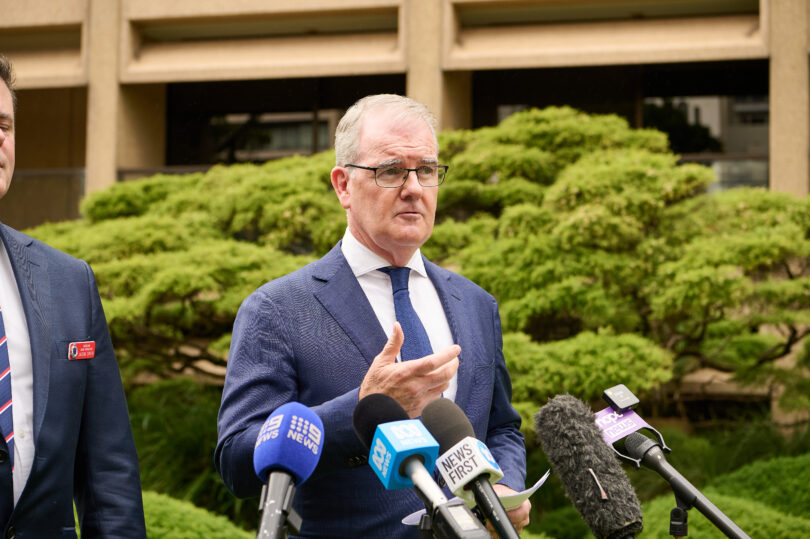
The NSW Government is set to introduce new laws to criminalise the creation and distribution of sexually explicit deepfakes, in a move to strengthen protections against image-based abuse.
The legislation, announced by the Attorney General, will amend the Crimes Act 1900 to specifically address the threats posed by rapidly developing technologies like artificial intelligence (AI).
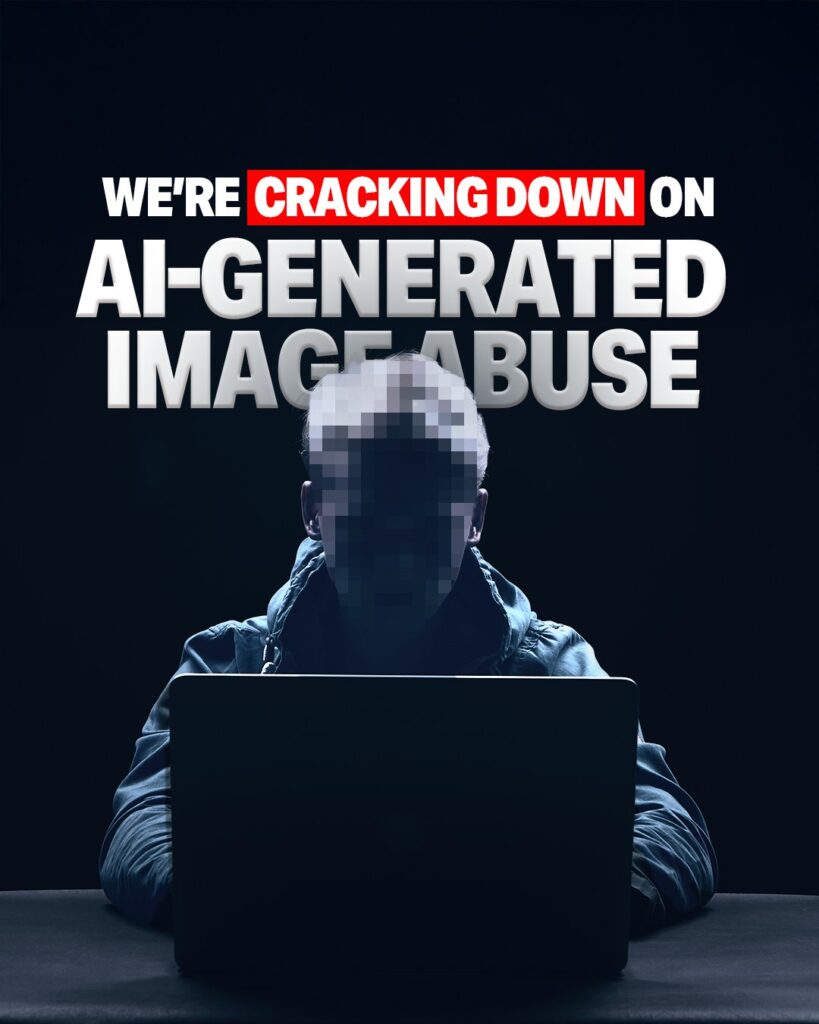
The proposed changes aim to close a loophole in existing laws that, according to the Attorney General, leave people, especially women and young people, vulnerable to technologically facilitated abuse.
New Offences and Penalties
Under the proposed bill, the definition of an intimate image will be expanded to include digitally-generated images that are created without consent and purport to be of a real, identifiable person. For the first time, this will include images created using AI. The legislation will create several new offences, including:
- The non-consensual creation of a digitally-generated intimate image.
- Altering an image to be an intimate image, as current laws only cover the distribution of such altered images.
- The non-consensual creation and distribution of sexually explicit audio material, a new addition to the legal framework.
The maximum penalty for these offences will be a fine of up to $11,000, three years imprisonment, or both.
These state laws will complement existing Commonwealth penalties that can impose up to six years in jail for the non-consensual sharing of such material using a carriage service (e.g., the internet), with a higher penalty of seven years for those who also created the deepfake.
Aligning with Other Jurisdictions and Addressing a Growing Threat
The government’s decision follows a significant rise in this type of abuse.
The eSafety Commissioner reported a potential 550% increase in explicit deepfakes since 2019. The Attorney General acknowledged that the law must evolve to keep pace with technology, stating that the bill is the result of extensive consultation with key stakeholders, including advocacy services like Full Stop Australia, police, prosecutors, and victim-survivor organizations.
The amendments will bring NSW in line with other jurisdictions that have already criminalised the non-consensual production and distribution of explicit material, regardless of how it’s created.
The new laws will also retain provisions for courts to issue rectification orders, requiring a person to remove or destroy intimate images, and will include exemptions for genuine medical or scientific purposes.
A statutory review of the legislation will be conducted in 12 months to ensure it continues to address technological developments effectively.