
Imported Smoked Salmon: A Quality and Value Review
Food review article compiled with assistance of Google Gemini AI/Fact checking and Tasting review by A.Ritenis
Posted in Sydney on Tuesday 16 December,2025
Many readers have made the observation that there is a growing disenchantment with Tasmanian farmed salmon due to environmental and welfare criticisms is well-founded. This has led many consumers to explore imported smoked salmon as an alternative, focusing on both quality and value.
1. The Tasmanian Salmon Controversy
The push toward imported options is largely driven by significant concerns surrounding the Tasmanian salmon industry, which include:
-
Environmental Impact: High levels of nutrient pollution (fish waste and uneaten feed) released into marine environments, leading to oxygen depletion in areas like Macquarie Harbour and potentially harming endangered species like the Maugean Skate. In some analyses, the nitrogen pollution has been compared to many times the load of Tasmanian sewage.
-
Fish Welfare & Overstocking: Reports of high stocking densities in pens, mass mortality events due to disease, and associated welfare issues (e.g., handling of dead and dying fish).
-
Antibiotic Use: Concerns over the routine use of antibiotics, which can lead to changes in seabed ecosystems and promote antibiotic resistance.
These issues have caused some major third-party sustainable seafood guides to ‘Red Rate’ (say no to) Tasmanian farmed Atlantic Salmon.
2. Imported Smoked Salmon: Quality and Price Comparison
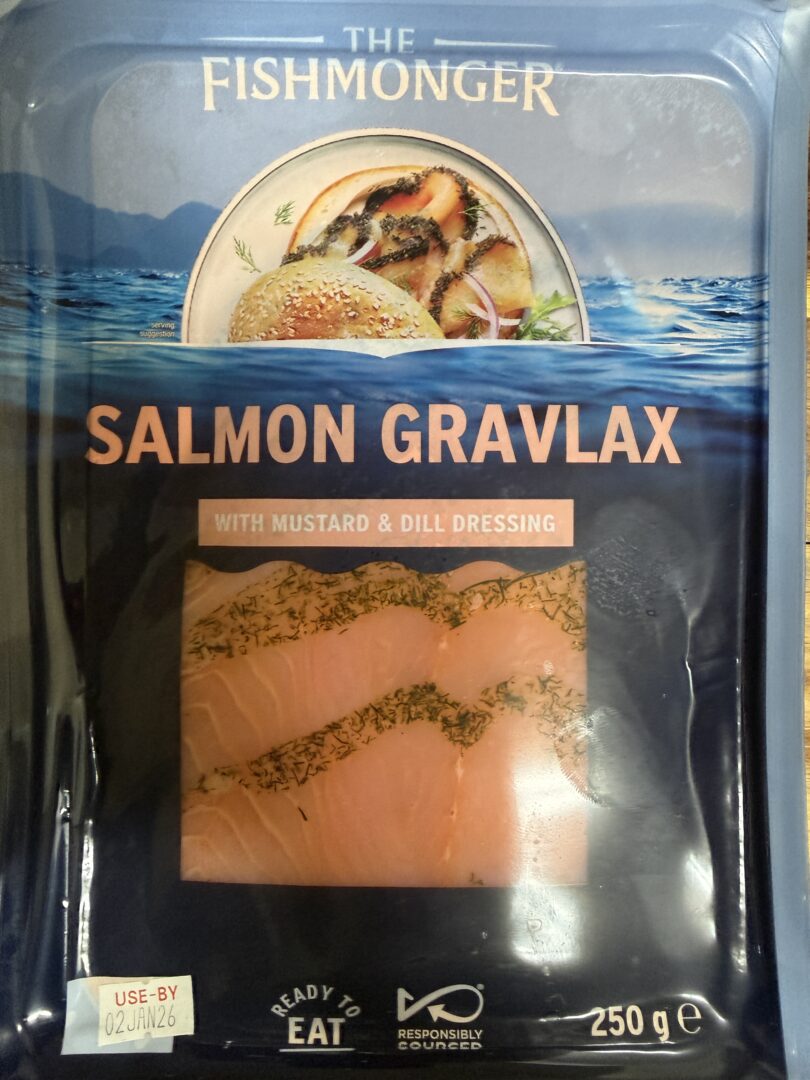
Imported smoked salmon typically originates from countries like Norway, New Zealand, and Chile. The quality can vary widely, but certain brands and origins stand out.