
NSW Court of Appeal Overturns “Unconstitutional” Minns government Anti-Protest Legislation
Sydney Times Newsroom/Generated using News Aggregator Posted on 17 April,2026
The New South Wales Court of Appeal has delivered a landmark ruling, striking down controversial anti-protest laws introduced by the Minns Labor Government. The court found that the measures, which granted police sweeping powers to restrict public assemblies, were unconstitutional because they infringed upon the implied freedom of political communication.
The Legal Challenge and Ruling
The legislation was fast-tracked through parliament in late 2024 following the tragic mass casualty event in Bondi. It allowed the NSW Police Commissioner to declare “protest-free zones” for up to three months in the wake of a terror attack or significant security threat.
However, the Court of Appeal ruled that these measures were a “blunt tool” that went too far. Chief Justice Andrew Bell noted that while public safety is a legitimate government objective, the state cannot pursue it by imposing “sweeping and indiscriminate” restrictions on all forms of public assembly.
Impact on Protesters and Pending Charges
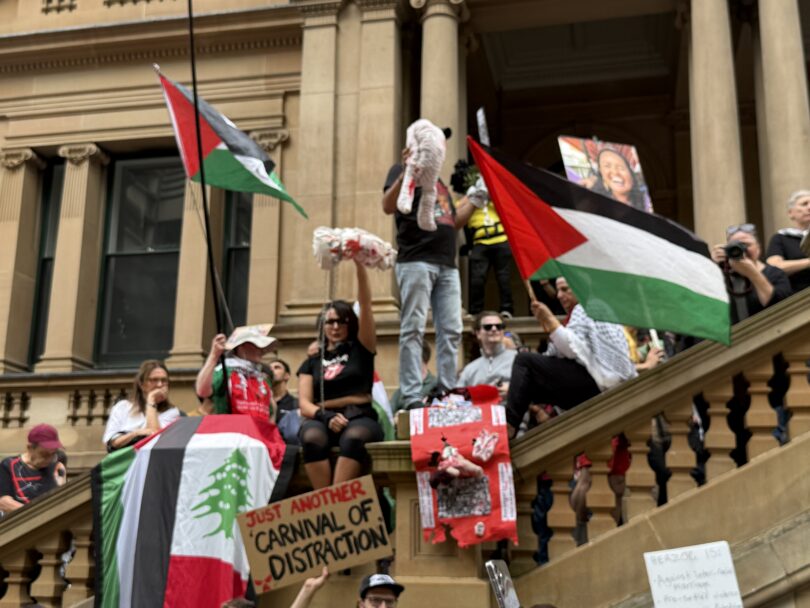
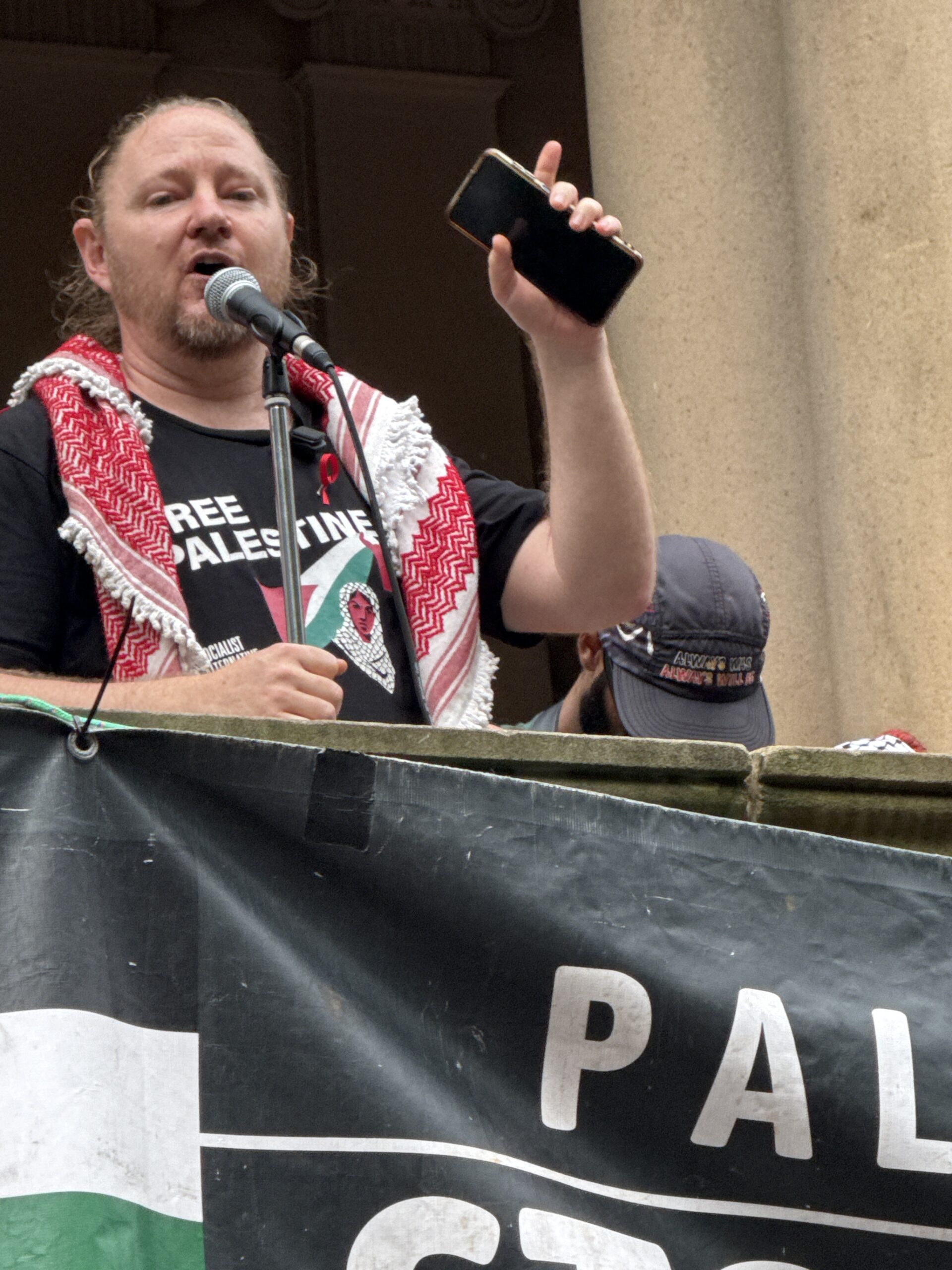
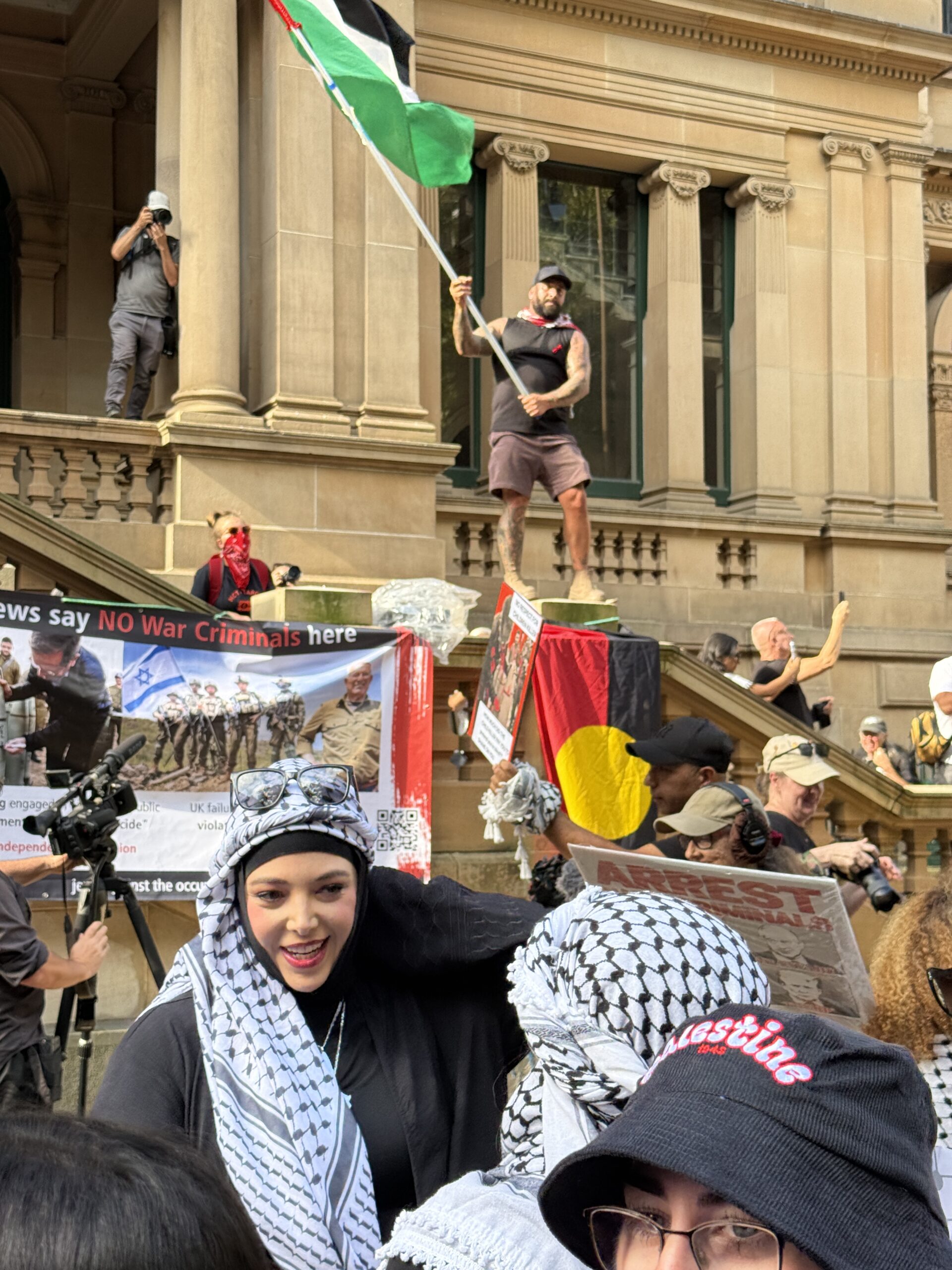
The ruling has immediate implications for activists involved in the chaotic demonstrations of February 9. During those protests, which targeted a visit by the Israeli president, police used pepper spray and physical force to disperse thousands of attendees.
-
Legal Fees: The court has ordered the NSW Government to pay the legal costs for the activist groups who initiated the challenge, including the Palestine Action Group and Blak Caucus.
-
Withdrawn Prosecutions: Legal experts and solicitors now argue that the 10 individuals currently facing charges from the February 9 event should have those charges dropped immediately, as the laws under which they were arrested no longer have legal standing.
Political Fallout
The decision has sparked a heated debate within the NSW Parliament. Premier Chris Minns defended the original intent of the laws, maintaining that they were a necessary and proportionate response to the “worst terrorist attack” in the state’s recent history.
In contrast, civil liberties advocates and members of the Greens have hailed the decision as a victory for democracy. Critics argued that the government used a period of public grief to bypass standard legislative scrutiny, resulting in “draconian” overreach that silenced legitimate political expression. This ruling reinforces the principle that even during times of crisis, the executive branch must operate within the boundaries of the Australian Constitution.