

Middle East on Brink as U.S. Seizes Iranian Ship; Diplomatic Talks Stutter
News Aggregator Posted 20 April,2026 4.00 pm
GULF OF OMAN – Regional tensions reached a boiling point Monday after the U.S. Navy intercepted and seized an Iranian-flagged cargo vessel, an action Tehran has denounced as “armed piracy” and a direct violation of a fragile, weeks-old ceasefire. The escalation has cast a dark shadow over scheduled peace negotiations in Pakistan, with Iranian officials now signaling they may boycott the talks.
The Interception: “Blowing a Hole in the Engine Room”
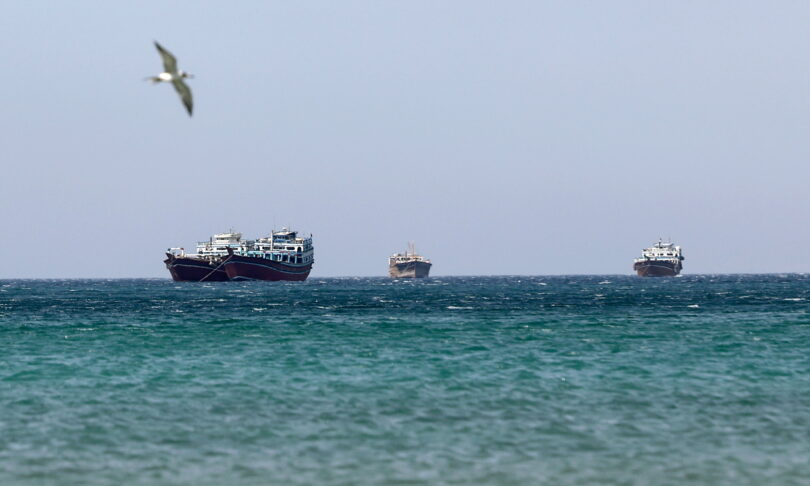
Early Sunday, the USS Spruance, a guided-missile destroyer, intercepted the Touska, an Iranian-flagged container ship, in the Gulf of Oman. According to U.S. Central Command (CENTCOM), the vessel ignored repeated warnings to halt over a six-hour period as it attempted to bypass the American naval blockade.
President Trump, communicating via social media, confirmed that the U.S. Navy used disabling fire to stop the ship.
“The Iranian crew refused to listen, so our Navy ship stopped them right in their tracks by blowing a hole in the engine room,” the President stated, adding that U.S. Marines have taken custody of the vessel.
The Touska is reportedly on the U.S. Treasury’s sanctions list for a history of “illegal activity.” Video released by the Department of Defense captured the moment a U.S. sailor warned the crew to “vacate your engine room” before the Spruance opened fire.
Diplomacy in Jeopardy
The timing of the seizure could not be more critical. A high-level U.S. delegation—including Vice President JD Vance and Special Envoy Steve Witkoff—was slated to arrive in Islamabad, Pakistan, today for a second round of peace talks.
However, Tehran’s response has been swift and defiant:
-
Talks Boycotted: Iranian state media reported that the government has “no current decision” to send a delegation, citing Washington’s “excessive demands” and the ongoing blockade.
-
Vow of Retaliation: A spokesperson for Iran’s Khatam Al-Anbiya Central Command warned that the Islamic Republic’s armed forces would “soon respond and retaliate” for the seizure.
-
Ceasefire Breach: Iran maintains that the continued U.S. blockade is a breach of the ceasefire established on April 8.
Global Market Tremors
The maritime standoff has sent shockwaves through global energy markets. The Strait of Hormuz, a vital artery for 20% of the world’s oil and gas, remains effectively closed to most traffic.
Following news of the skirmish, oil prices surged:
-
U.S. Crude (WTI): Rose 6.4% to $87.88 per barrel.
-
Brent Crude: Climbed 6.5% to $96.25 per barrel.
International mediators, led by Pakistan, are working frantically to keep the diplomatic channel open. While President Trump has signaled a willingness for a “fair and reasonable deal,” he also issued a stern ultimatum: if talks fail, the U.S. is prepared to target Iranian infrastructure, including power plants and bridges.
As of Monday afternoon, the U.S. naval blockade remains in full force, and the world waits to see if Iran will follow through on its threat of a military response.