
Checklist of emergency supplies recommended by DFAT for sheltering in place for Australians stuck in Middle East
Posted 03 March /News article generated using Gemini AI
As the situation in the Middle East remains volatile, DFAT and Smartraveller recommend that all Australians currently in the region—especially those in high-risk areas like Dubai—prepare an emergency “shelter-in-place” kit.
In a crisis, utilities like power and water may fail, and local supermarkets can quickly become inaccessible. Use this checklist to ensure you are prepared to sustain yourself for at least 72 hours to 7 days.
1. Water and Food (The Essentials)
-
Water: At least 3 litres of drinking water per person, per day. If you are in a hot climate like Dubai, aim for 4–5 litres.
-
Non-Perishable Food: Items that don’t require refrigeration or cooking (e.g., canned meats/vegetables, protein bars, dried fruit, crackers).
-
Manual Can Opener: Do not rely on electric openers.
-
Baby/Pet Supplies: If applicable, ensure you have enough formula, nappies, or pet food for at least one week.
2. Medical and Sanitation
-
Prescription Medication: At least a 7-day supply of any regular medications, plus copies of your prescriptions.
-
First Aid Kit: Including bandages, antiseptic, pain relief (paracetamol/ibuprofen), and rehydration salts.
-
Hygiene Items: Toilet paper, wet wipes, hand sanitiser, and feminine hygiene products.
-
Personal Protective Equipment: P2 or N95 face masks (for smoke or dust) and thick gloves.
3. Power and Communication
-
Battery-Powered Radio: This is critical if the internet or mobile networks go down. Include spare batteries.
-
Torches/Flashlights: Avoid using candles due to fire risks; ensure you have extra batteries.
-
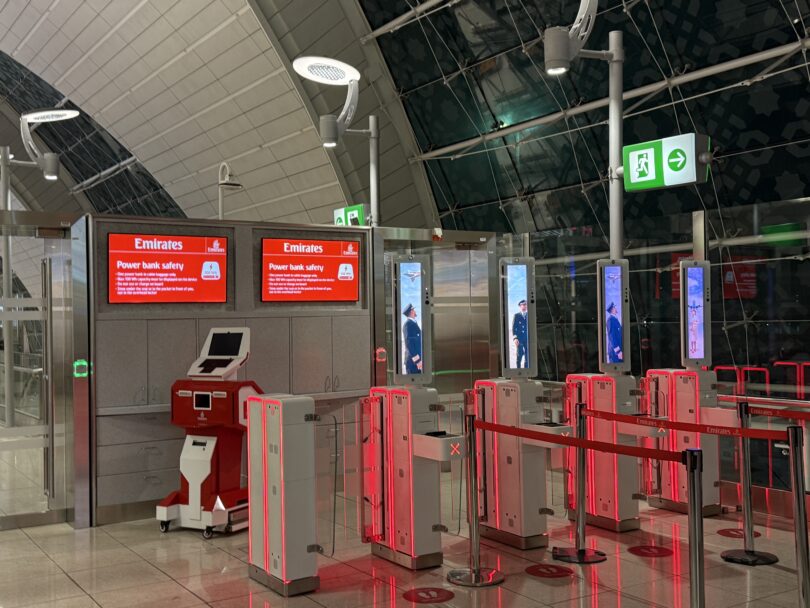
Power Banks: Keep all portable chargers at 100% capacity at all times.
-
Analog Contact List: A written list of emergency contacts (Family, Australian Embassy, local police) in case your phone dies or is lost.
4. Important Documents (The “Grab Bag”)
Keep these in a waterproof, portable bag near your exit:
-
Passports and Visas: Original documents for all family members.
-
Physical Cash: Local currency (AED) and USD or AUD in small denominations, as ATMs and EFTPOS may fail.
-
Travel Insurance: A hard copy of your policy and the 24-hour emergency contact number.
-
Identification: Photocopies of your ID and proof of your current address or hotel booking.
Pro Tip: Keep your mobile phone on “Low Power Mode” and avoid using it for non-essential tasks to preserve battery life for emergency updates.