


Syndicate members jailed in Australia’s first child trafficking conviction
Posted 10 July,2026
An Arncliffe man who ran an organised crime syndicate that profited from human trafficking between Australia and Indonesia has today been sentenced to six years and five months’ imprisonment, with a non-parole period of four years and five months.
The man, now 45, is the first Australian to be convicted for trafficking in children after he facilitated the transportation of a 17-year-old from Indonesia to Sydney to engage in sex work in 2024.
A 32-year-old Sydney man has also been sentenced to two years and eight months’ imprisonment for his role in transporting the syndicate’s victim throughout Sydney to engage in forced labour.
The two-year investigation into the human trafficking syndicate – known as Operation Mirani – began in December 2022, after the AFP received intelligence that foreign nationals were arriving in Australia and being forced into sexual servitude in breach of their visa conditions.
Specialist AFP Human Trafficking investigators, with the assistance of Australian Border Force, the Department of Home Affairs and the Indonesian National Police (INP), worked to identify and disrupt the syndicate’s operations in Australia and offshore.
In March 2024, simultaneous search warrants were executed in Australia and Indonesia. During the warrant activity, AFP investigators located and removed a child from the home of the Arncliffe man.
The court found the man had knowingly lodged false visa documents on behalf of the child-victim for the purpose of transporting her to Australia from Indonesia to engage in forced labour.
It was further found the 45-year-old assumed full control over the child, determining her movements, work hours and financial allowances based on the requirements of her sexual services.
On the same day as the Arncliffe search warrant, members of the INP with the assistance of the AFP’s Jakarta Post executed a concurrent search warrant at the home of an Indonesian woman identified as a recruiter for the syndicate.
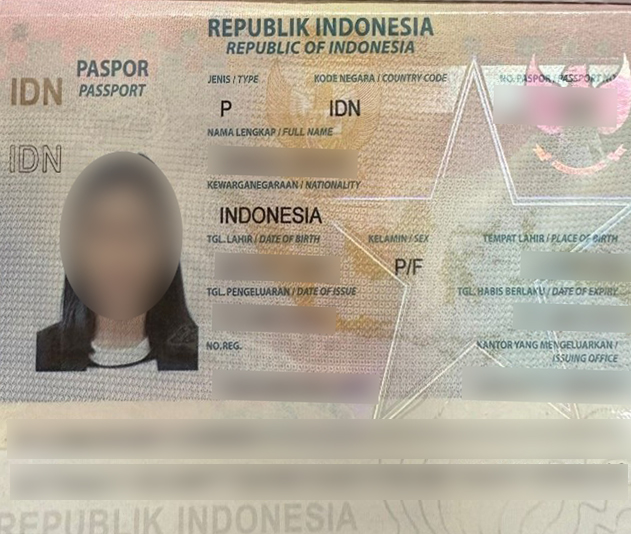
The INP found multiple passports of women who had been recruited and were due to travel to Australia. If these women had arrived in Australia, they would have been at risk of exploitation under the direction of the syndicate.
The woman was arrested by the INP and charged with human trafficking offences in Jakarta.
In October 2024, Operation Mirani investigators arrested a second man in connection to the smuggling syndicate.
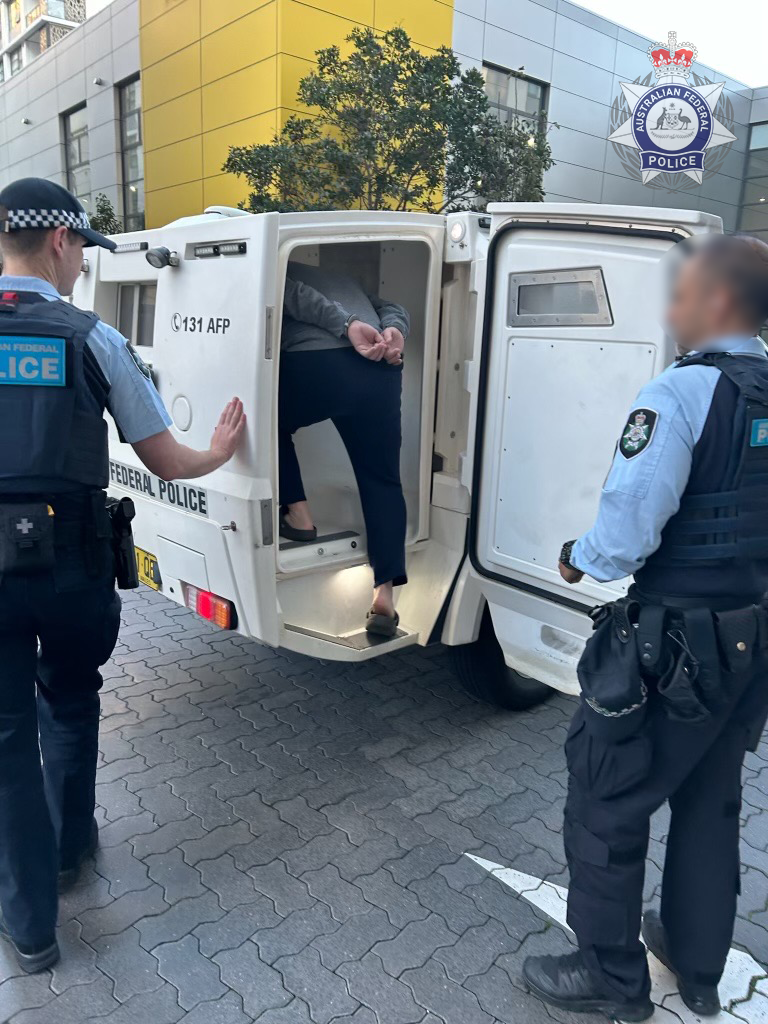
The court found the 32-year-old facilitated the transportation of the trafficking victim between brothels in NSW knowing they would be exploited.
In 2026, the Arncliffe man pled guilty to:
- One count of trafficking in children, contrary to section 271.4(1) of the Criminal Code (Cth);
- One count of causing a person under 18 years of age to enter into or remain in forced labour, contrary to section 270.6A(1), as an aggravated offence by virtue of section 270.8(1)(a) of the Criminal Code (Cth).
In 2026, the Sydney man pled guilty to one count of domestic trafficking in children, contrary to section 271.7 of the Criminal Code (Cth).
In total, 22 human trafficking assessments were conducted as part of the operation, with seven victims removed from harm and sexual exploitation across both Australia and Indonesia.
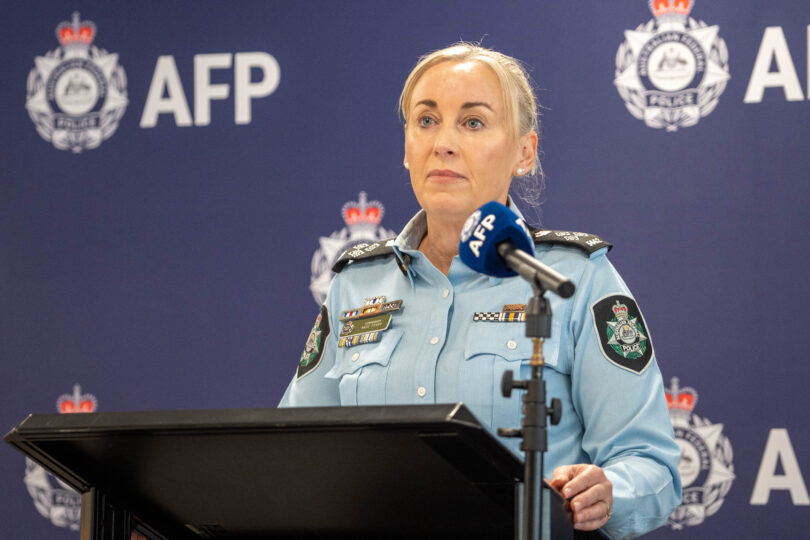
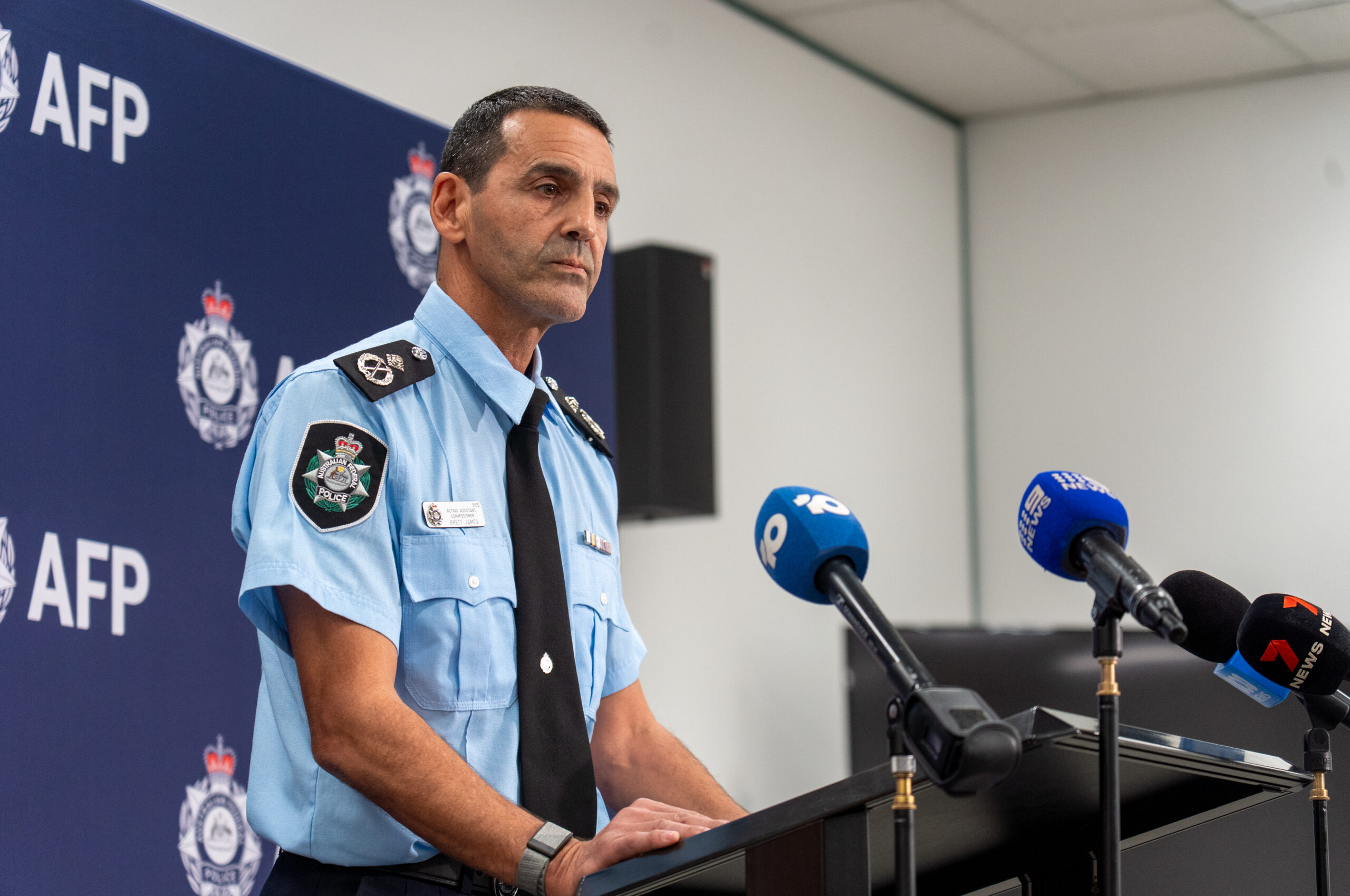
AFP Commander Brett James said today’s outcome reflected the AFP’s determination to pursue organised crime groups that treated human beings as commodities for profit.
“This was a highly complex investigation spanning almost two years, multiple jurisdictions and numerous law enforcement partners across Australia and Indonesia,” Commander James said.
“Human trafficking syndicates are sophisticated criminal enterprises that prey on vulnerable people for financial gain. They deliberately exploit language barriers, migration pathways and economic vulnerability to facilitate and conceal their offending.
“The success of Operation Mirani demonstrates the power of international law enforcement cooperation and the unwavering commitment of investigators who worked tirelessly to identify victims, gather evidence acrossborders and dismantle this criminal network.
“Most importantly, this investigation helped protect vulnerable people from exploitation and ensured those responsible were brought before the courts.”
Commander James said the guilty pleas were a significant outcome for the victims, who had assisted investigators throughout the lengthy and challenging investigation.
“Human trafficking offences can be exceptionally difficult to investigate and prosecute. Victims often face significant barriers to reporting their experiences and offenders frequently operate across international borders,” Commander James said.
“These guilty pleas are testament to the courage of the victims and the persistence of investigators who worked relentlessly to uncover the full extent of the criminal enterprise.”
Acting ABF Commander of Field Operations and Sponsor Monitoring Tim Thorley said the outcome reflected the dedication and close collaboration between law enforcement partners.
“This investigation began following an allegation received through the Border Watch program from a community member, which was assessed by our Field Operations team,” a/Commander Thorley said.
“Officers identified indicators of human trafficking and referred the matter to the AFP for further investigation.
“This demonstrates the important role community reporting plays in helping authorities uncover serious offences that might otherwise remain hidden from law enforcement.
“Human trafficking is a crime that exploits vulnerable people for profit. This outcome sends a clear message that those involved in this type of offending will be held accountable, while victims are supported and protected.”
The AFP continues to work closely with domestic and international partners to identify, disrupt and prosecute individuals and organised crime groups involved in human trafficking, slavery and slavery-like practices.
Anyone who suspects they, or someone they know, may be experiencing exploitation, forced labour or human trafficking is encouraged to contact the AFP.
Foreign workers and temporary visa holders should not be afraid to seek help if they believe they are being exploited while in Australia. If you suspect that you, or another person, is experiencing, or at risk of, forced labour, or someone you know is being exploited, help is available. Call 131 AFP (237) or report via the AFP website.
Anyone with information relating to potential immigration offences or suspicious activity is encouraged to submit a report through Border Watch. Reports can be made anonymously.
If you have immediate concerns for your safety, or the safety of another person, or there is an emergency, dial Triple Zero (000).
If you, or someone you know, is exploited at work in Australia, visit the Work Right Hub for more information and support.
The Support for Trafficked People Program is a key component of Australia’s response to support victims of human trafficking, slavery and slavery-like practices. If you or someone you know is being exploited, help is available. For information and confidential advice please contact Australian Red Cross. Call 1800 113 015 or visit the Red Cross website.
As part of the AFP’s commitment to combatting human trafficking and slavery offences in Australia, the AFP is using technology as a tool to counter these crimes and has developed a training and awareness program called “Look-a-Little-Deeper” to help state and territory police and other Commonwealth agencies recognise signs of human trafficking and slavery type offences in the community.
Forced labour indicators
The below can be indicators of human trafficking, slavery and slavery-like practices, which are comprehensively criminalised under Divisions 270 and 271 of the Criminal Code (Cth):
- Workers live in places unsuitable for living, such as in agricultural or industrial buildings or in overcrowded or unsafe accommodation.
- Lack of protective work equipment.
- No access to earnings or savings.
- No labour contract.
- Forced to work excessively long hours.
- No choice of accommodation.
- Never leave work premises without being escorted by their employer.
- Unable to move freely.
- Disciplined through fines.
- Subjected to insults, abuse, threats or violence.
- Employer doesn’t provide basic training.
- Information is provided in languages other than the local language around the workplace.
- No health and safety notices.
- Employer or manager being unable to show the documents required for employing workers from other countries.
- Employer or manager being unable to show records of wages paid to workers.
- Health and safety equipment being of poor quality or missing.
- Work equipment being designed or modified so that it can be operated by children.
- Evidence that labour laws are being breached.
- Evidence that workers must pay for tools or that costs for food or accommodation are being unlawfully deducted from their wages.
No one single indicator on its own is evidence of modern slavery practices. Each case needs to be considered in its entirety. If you have concerns, call 131 AFP (237) or report via the AFP website.