
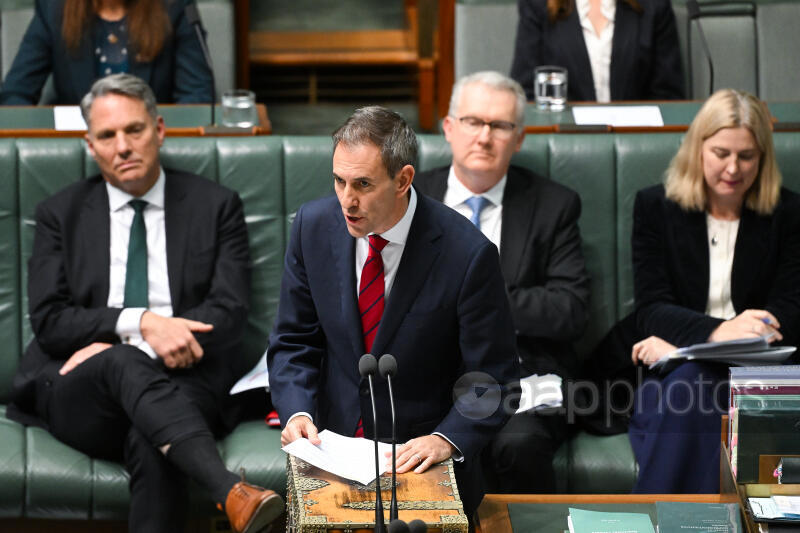

Landmark Tax Reforms Pass Parliament: Labor Rewrites Negative Gearing and CGT Rules
National News Australian Government/This article generated using Gemini AI based on a Media Release from Treasurer Dr. Jim Chalmers
Posted 26 June,2026
CANBERRA — The Albanese Labor Government has secured a major legislative victory, passing the first piece of its ambitious tax reform package through Parliament.
The sweeping Bill introduces significant structural shifts to Australia’s property tax system, targeting negative gearing and Capital Gains Tax (CGT) while delivering targeted income tax relief to workers and a major concession bump for small businesses.
Treasurer Jim Chalmers hailed the passage of the bill as a defining moment for economic reform, framing it as a direct win for middle-class workers and young Australians locked out of the property market.
“The old intersection between the tax system and the housing market helped make housing unaffordable,” Dr Chalmers said in a statement. “We are taking action because doing nothing would have consigned another generation to that broken status quo.”
Overhauling Property Tax: Negative Gearing and CGT
The most significant structural reforms center on winding back decades-old property tax incentives in an effort to cool the housing market and stimulate new construction.
-
Negative Gearing Pivot: From July 1, 2027, negative gearing will be restricted strictly to newly built properties. The government has included strict grandfathering provisions, meaning existing property investors will not see changes to their current tax arrangements.
-
Capital Gains Tax Calibration: The bill will return the CGT to its “original intent” starting July 1, 2027, targeting a 25-year-old mechanism that the government argues distorted the economy and stifled productivity growth.
By shifting tax advantages exclusively toward new builds, the government intends to funnel private investment into expanding the nation’s housing supply while easing competition for established homes.
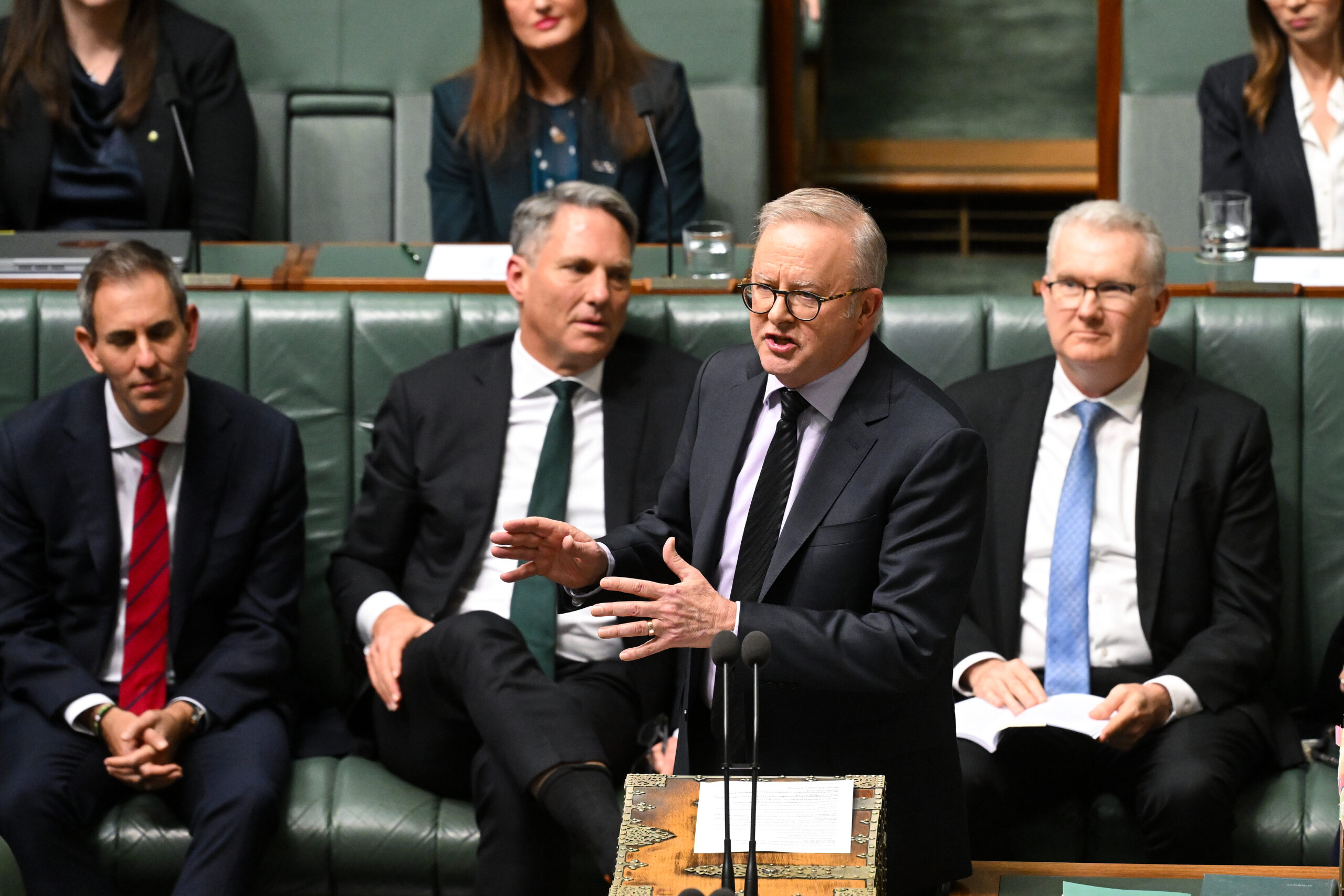
Australian Prime Minister Anthony Albanese speaks on the Tax Reform Bill in the House of Representatives at Parliament House in Canberra, Thursday, June 25, 2026. (AAP Image/Lukas Coch) NO ARCHIVING
Income Tax Relief for Workers
For everyday wage earners, the bill locks in consecutive rounds of income tax relief, which the Treasury estimates will benefit the average worker by up to $2,816 a year by 2028.
The relief will be delivered through a multi-pronged approach, including the introduction of the new Working Australians Tax Offset alongside a newly established instant tax deduction for workers.
A Major Concession for Small Business
In a bid to secure the necessary parliamentary support and protect the small business sector, the final bill included crucial amendments expanding active asset CGT concessions.
The eligibility turnover threshold for the 50 percent active asset CGT concession has been aggressively lifted from $2 million to $10 million. The Treasury reports this adjustment brings 2.7 million active small businesses into the fold, ensuring 98 percent of all active Australian businesses can access the concession.
Fierce Political Divide
The passage of the bill highlighted deep ideological fractures in federal politics. The legislation passed despite united opposition from the Coalition and minor right-wing parties.
Dr Chalmers took aim at political opponents, labeling the standard Coalition voting pattern as an “anti-worker agenda.”
“The Liberals, Nationals, and One Nation all voted against our plan to cut income taxes and make the housing market fairer,” Chalmers stated.
Conversely, the opposition benches have previously expressed deep concern over changes to property taxes, warning that altering negative gearing could destabilize rental supply and penalize everyday mum-and-dad investors.
With this first legislative hurdle cleared, the Albanese Government confirms this is just the opening salvo, with further tranches of its broader tax reform package slated to hit the parliamentary floor in the coming months.