
US Secretary Rubio Rebukes Beijing on Tiananmen Anniversary: “No Amount of Censorship Can Erase the Past”
World News /News Aggregator using GeminiAI/Posted Friday 05 June,2026
TAIPEI, Taiwan — The 37th anniversary of the Tiananmen Square crackdown has triggered a sharp diplomatic clash between Washington and Beijing, while standard-bearers for the memory of the 1989 massacre gathered in Taiwan amid an intensifying campaign by China to erase the event from public history.
In Taipei, dozens of mourners—many of them former Hong Kong residents who fled to Taiwan following Beijing’s political crackdown on the financial hub—gathered in a central park on Thursday evening for a candlelit vigil. Organizers displayed banners reading, “Barricades can seal off Victoria Park, but they cannot seal off the human spirit,” a direct reference to Hong Kong’s traditional vigil site, which was heavily locked down by police this week.
Washington and Taipei Condemn Beijing
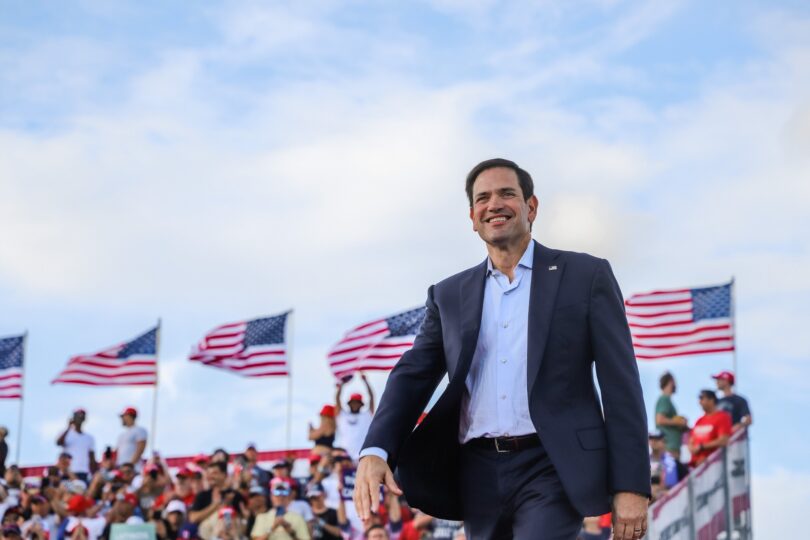
The global day of remembrance was marked by a strongly worded statement from U.S. Secretary of State Marco Rubio, who insisted that Beijing’s sophisticated domestic censorship apparatus cannot scrub the historical record.
“No amount of censorship can erase the past,” Rubio said in a public statement. “Those who sacrificed to uphold their unalienable rights of free expression and peaceful assembly will be vindicated someday.”
In Taipei, Taiwanese President Lai Ching-te used the anniversary to draw a sharp contrast between Taiwan’s vibrant democracy and China’s authoritarian system. Writing on his Facebook page, Lai remarked that a truly great nation should not “blindly believe in military might or engage in militarism.”
“I sincerely hope that China can face up to the June 4 incident of 37 years ago, acknowledge the truth, soothe the pain, and open the door to reconciliation and dialogue,” Lai wrote.
Beijing Fires Back
The response from Beijing was immediate and fierce. Chinese Foreign Ministry spokesperson Mao Ning sharply rebuked Secretary Rubio during a press conference on Thursday, accusing the United States of stoking ideological conflict.
“China is strongly dissatisfied and firmly opposed to the U.S. distorting historical facts, smearing China’s political system and development path,” Mao stated, demanding that Washington stop using human rights as a pretext to interfere in China’s domestic affairs.
On the mainland, public discussion of the 1989 events remains strictly taboo. Troops and tanks rolled into Tiananmen Square before dawn on June 4, 1989, brutally crushing weeks of student-led pro-democracy demonstrations. While rights groups, witnesses, and international observers estimate that thousands were killed, Beijing has never provided a full, transparent death toll.
A Tightening Grip on Remembrance
Human rights organizations reported that this year’s suppression of memory inside Chinese-controlled territory reached new heights. For the first time, authorities in Beijing reportedly blocked members of the “Tiananmen Mothers”—an advocacy group consisting of the victims’ relatives—from visiting a cemetery to read memorial statements at their loved ones’ graves.
Meanwhile, in Hong Kong, once the epicenter of massive annual June 4 vigils, around a thousand uniformed and plainclothes police officers patrolled Victoria Park. Several individuals attempting quiet, solo acts of remembrance—including an activist holding a single yellow flower and a man holding a candle—was swiftly detained by police for “disorderly conduct.”
In a quiet gesture of defiance against the regional crackdown, the U.S. Consulate in Hong Kong lit up its windows with rows of digital candles throughout Thursday evening.
With Hong Kong’s civic spaces silenced, Taiwan has effectively become the final bastion for physical, public remembrance of the Tiananmen victims within the Mandarin-speaking world. Activists in Taipei vowed to keep the tradition alive, emphasizing that preserving the memory of June 4 is vital to resisting Beijing’s expanding regional influence.