

Shaking Hands for Cancer
Article written by *Matilda Cheshire who attended the Event Posted on Wednesday 29 April,2026
As cancer researchers become jobless and government grants stall, ex-Prime Minister tells a room full of business women that corporate deals, not charity may be what saves lives.
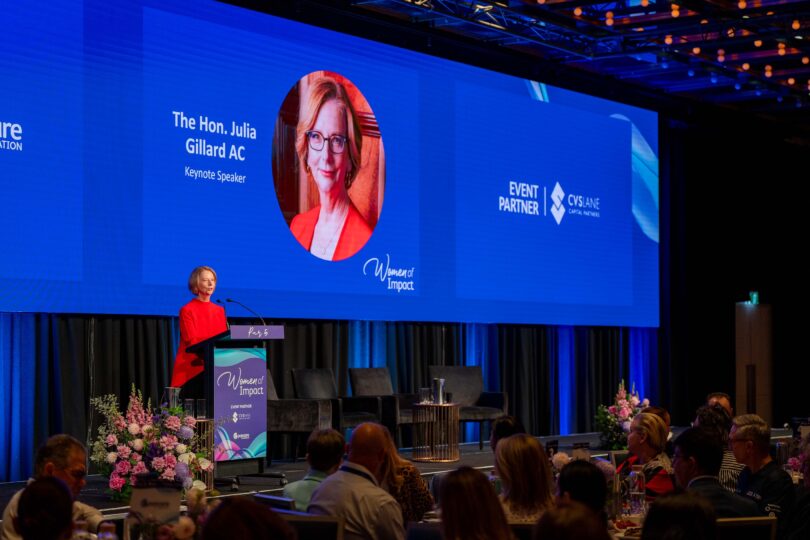
At a breakfast for 400 businesswomen in Sydney last week, former Prime Minister Julia Gillard launched Par 5, a new business-led model to fix the funding crisis in upper GI cancer research.
The former PM took to a lectern to introduce Par 5 as a flashlight in the dark storm of cancer. CEO of cancer charity Pancare Foundation, Douglas Hawkins says it’s "bordering on the doors are closed” when asking businesses for donations, “they are already in bed with 4 different charities”. He says Par 5 can work around the failing old techniques. “We need to start talking business, not charity,” Hawkins said.
Big Steps for Bio Tech
The way Australia funds cancer research is broken. Medical research is making bounds yet one of Australia’s biggest killers is still at large. We have AI-powered diagnosis, surgery done by robots, observations invisible to the human eye, and self-driving labs doing experiments day
and night. Dr Kara Vine-Perrow is a cancer researcher at the mercy of funding grants. Her lab recently developed a remarkable implant about an inch in height, inserted into the tumor itself delivering the drug locally. A much kinder alternative to chemotherapy, this implant is a new
approach to inoperable pancreatic cancers for a less severe and more effective treatment.
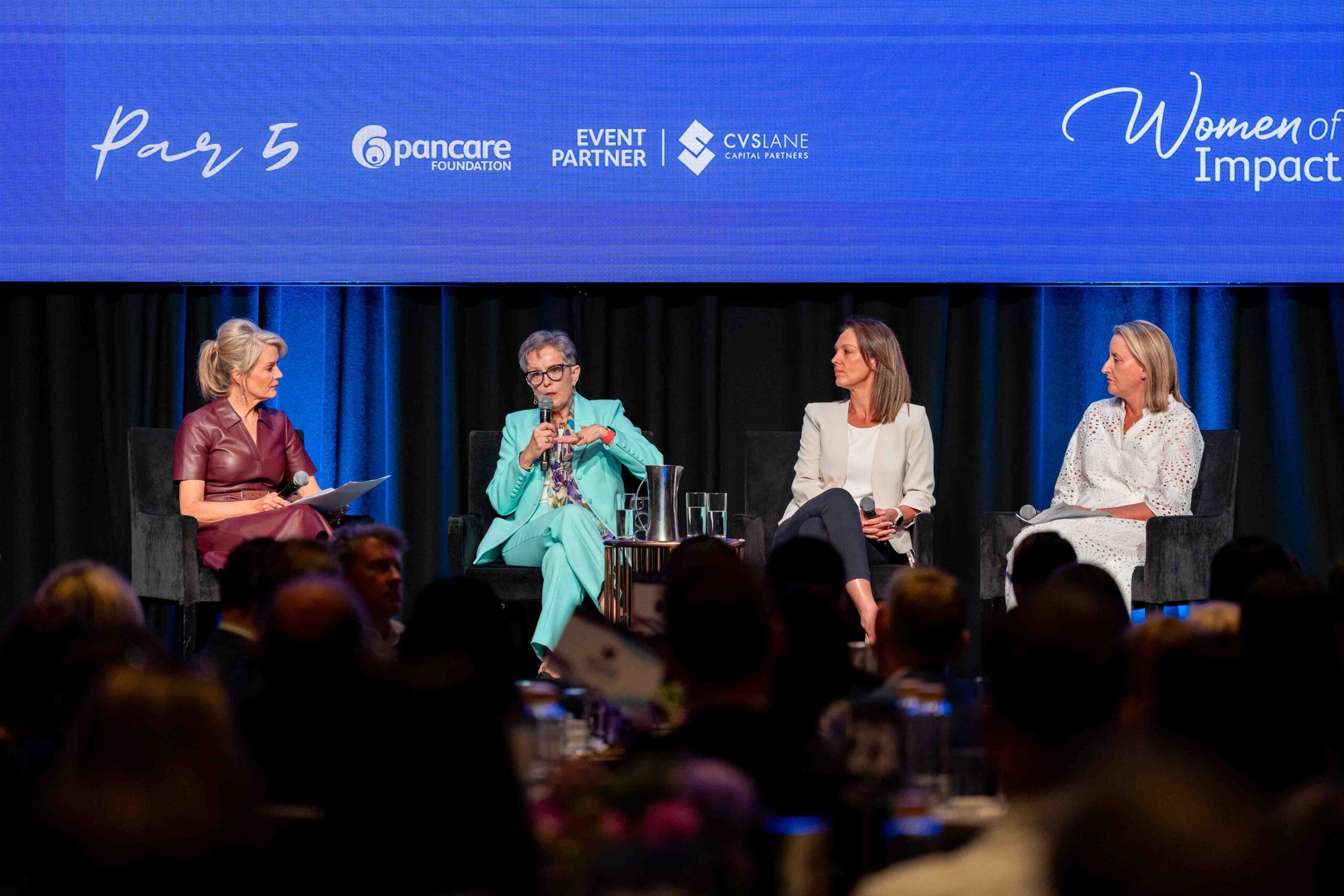
Even with the boost of modern medicine, upper-gastrointestinal (GI) cancers are among the most lethal and women’s symptoms are routinely missed and dismissed. Additionally factors like pregnancy, birth control, and HRT all raise cancer risks. CEO of Cancer Australia Professor
Dorothy Keefe PSM, estimates that cancer will impact directly or indirectly 1 in 2 Australians but this is not due to lacking research.
A Sector on the Edge
The government grant system, as Hawkins describes it, has become a gauntlet that claims researchers as its victims. Only 8% of applications are successful, the rest of the money remains unallocated in the honey pot. Dr Kara Vine-Perrow and her implant are victims to this.
Her research is the kind that should be celebrated and resourced. Instead, Vine-Perrow has spent 3 months of her career filling out 300-page applications for government grants in NSW, twice, to no avail.
Australia is bleeding talent. Hawkins recounted Vine-Perrow in tears over the mounting pressure. Recent press from Victoria described a sector riddled with mental health issues, depression, higher suicide rates. Projects get cut, researchers can’t pay their bills, they have to up and leave their jobs to keep their cars full of fuel.
Sliding government funding has used philanthropy as its backstop but this is sliding too.
Unpredictable waves of donations teeter on people’s generosity who are hearing warnings of an oncoming depression. This inconsistency and unpredictability are fatal.
A New Proposed Solution
Par 5 is built on a different premise. Hawkins, who has now taken the helm of Par 5, stresses “this is not a charity proposition." Instead it’s “here to improve your business,” he smiles. Julia Gillard AC delivered the keynote at last week’s inaugural event. As chair of health charity the
Wellcome Trust, she spoke candidly about the growing gap between government healthcare funding and the rising costs of care.
The model works as follows:
Par 5 connects businesses. It strings ropes between network members whose needs match the expertise of another.
Say you’re frightened of AI bots and want to upgrade your business’s cybersecurity. Par 5 will introduce you to cybersecurity experts from their network. Pancare has 20 years-worth of networks including chairs of ASX-listed companies who sit on its board.
It greases introductory handshakes for new commercial partnerships.
With each transaction between these new or existing partners, Par 5 clips a portion of revenue which flows directly to cancer research through the Pancare Foundation.
The donation is baked into each deal and sent straight to fund cancer research.
Conclusion-The Researcher in the White Coat
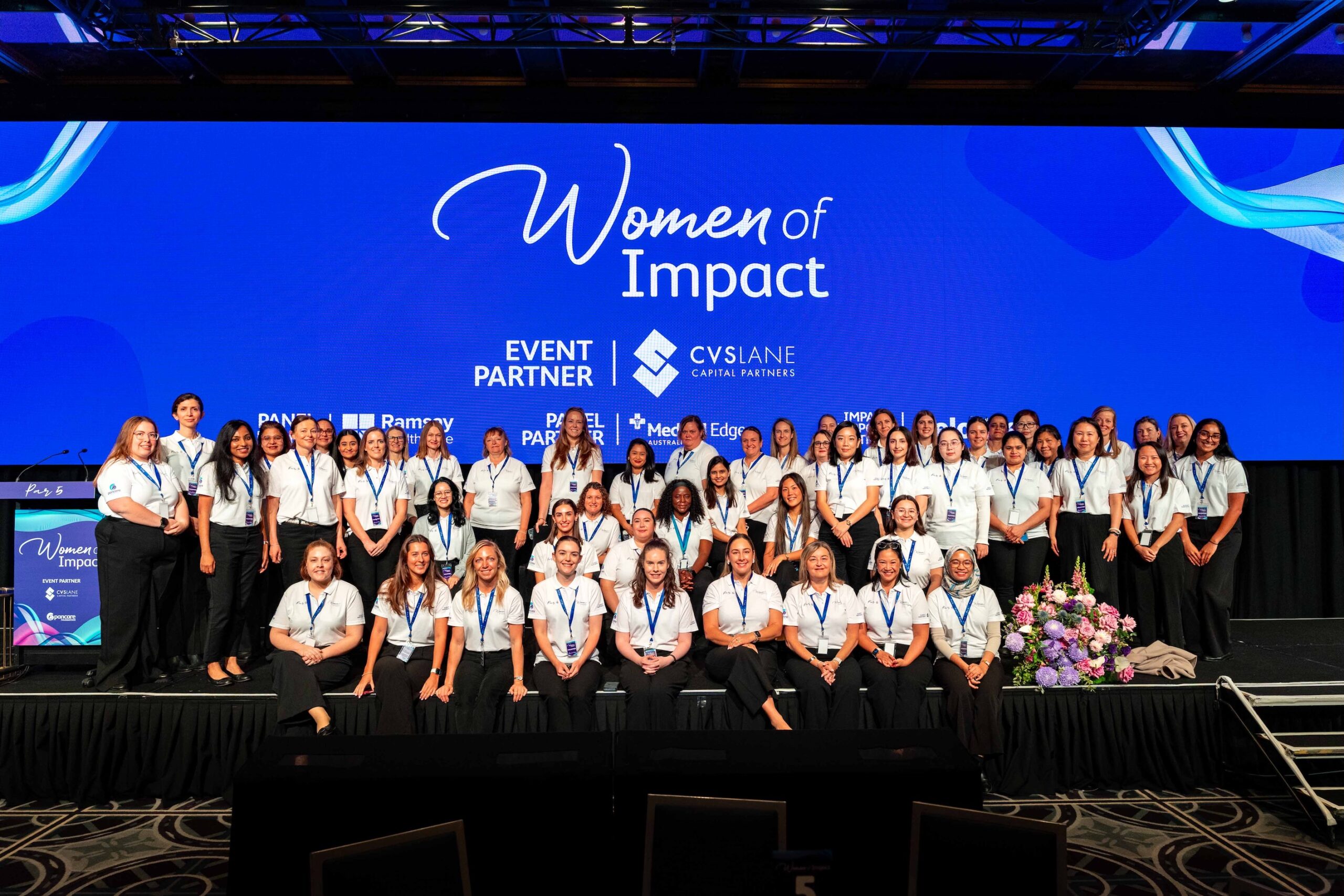
“Par 5 brought together 400 women from across corporate Australia to share a low-GI breakfast and engage with former Prime Ministers, leading cancer researchers, and survivors. Rather than a traditional fundraiser, the event sought to cultivate a long-term network of curiosity and commitment. Whether this shift in strategy will move the needle on funding is a matter of life and death, but the passion in the room made one thing certain: Par 5 is a network that will never stop fighting.”