

Geopolitical Crisis Update: The 2026 Gulf Conflict
By Staff Reporters
Tuesday, March 17, 2026
SYDNEY — The Middle East has entered a period of extreme volatility following the outbreak of a direct war between the United States, Israel, and Iran on February 28, 2026. What began as a series of precision strikes has escalated into a global energy crisis and a profound test of Western military alliances.
The State of the Conflict: America and Iran
The war was ignited by joint US-Israeli military actions that resulted in the death of Iran’s Supreme Leader, Ali Khamenei. In the weeks since, the conflict has shifted from targeted strikes to a broader regional war:
-
US Strategy: Under President Donald Trump, the US has adopted a “transactional” military posture. While conducting heavy air and missile campaigns against Iranian IRGC infrastructure and missile production sites, the administration has signaled it has no appetite for a prolonged ground occupation.
-
Iranian Retaliation: Tehran has responded with what analysts call “naval guerrilla warfare.” While the US claims to have significantly degraded the Iranian Navy, Iran has utilized shore-based missile batteries, drone swarms, and naval mines to inflict high costs on its adversaries.
The Strait of Hormuz: A Functional Blockade
The most critical flashpoint remains the Strait of Hormuz, which is currently “effectively closed” to commercial traffic.
-
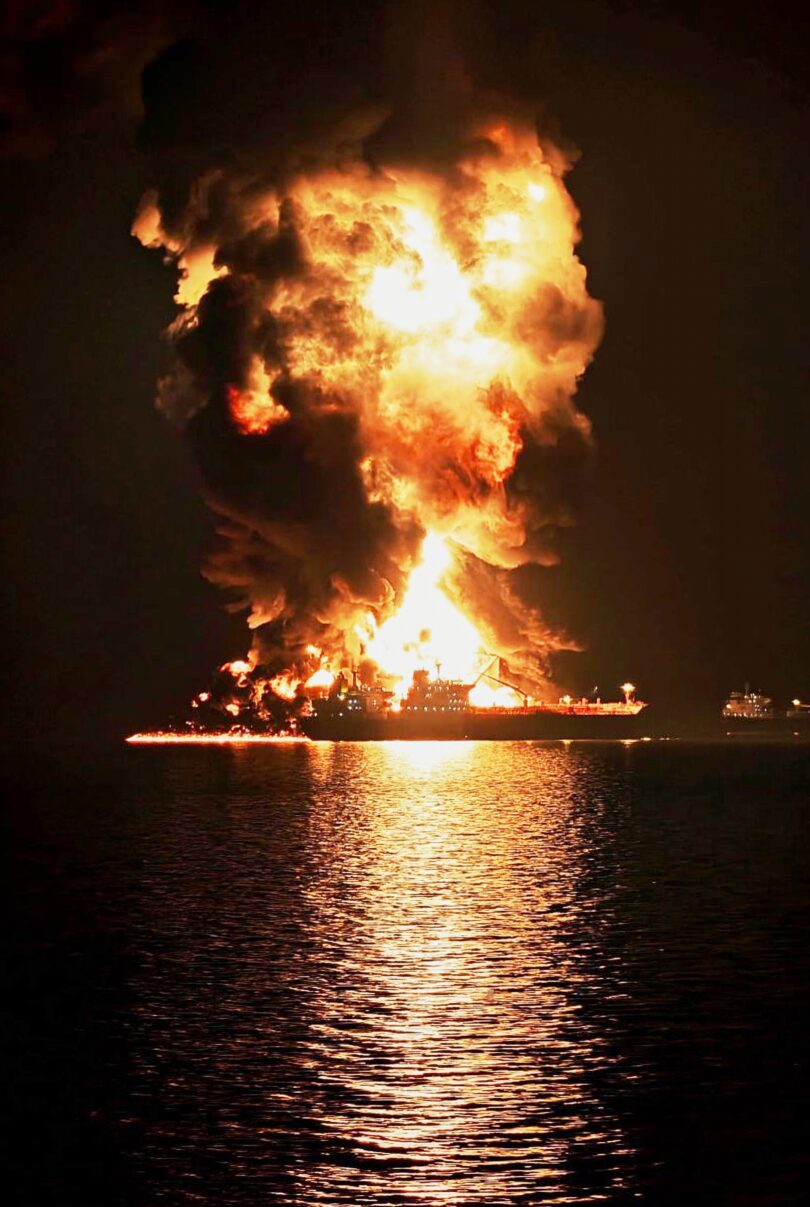
Attacks on Shipping: In early March, the IRGC officially declared the Strait closed. Since then, over 18 vessels have been attacked. Most recently, on March 11, the Thai bulk carrier Mayuree Naree was set ablaze by an Iranian drone boat.
-
Targeting US Ships: Iran has specifically claimed hits on US-linked tankers, including the Louis P and the Stena Imperative.
-
Economic Fallout: Oil prices have surged past $105 per barrel, leading several Gulf nations, including Qatar and Kuwait, to declare force majeure on energy shipments as the risk to tankers becomes uninsurable.
Trump’s Pressure on NATO and Global Allies
President Trump has sparked a fresh diplomatic crisis within the NATO alliance by demanding that member nations—and even China—take over the “burden” of securing the Strait.
-
The “Very Bad Future” Warning: In a recent interview with the Financial Times, Trump warned that NATO faces a “very bad future” if allies do not provide warships and minesweepers to reopen the shipping channel. He argued that since Europe and Asia are the primary beneficiaries of Gulf oil, the US should not be the sole protector of the route.
-
Allied Pushback: * United Kingdom: Prime Minister Keir Starmer has rebuffed the demand, stating the UK will not be drawn into a “wider war” and noting that any escort mission would not be under a NATO banner.
-
Europe: France, Germany, and Italy have ruled out sending warships, preferring diplomatic de-escalation.
-
Australia: The Australian government has stated it has not been asked to contribute and currently has no plans to send ships to the region.
-
The China Factor
In a move that has stunned observers, Iran has announced it will permit Chinese-flagged ships to transit the Strait freely. This has led to a bizarre “flag of convenience” surge, with international tankers attempting to broadcast signals identifying as “Chinese-owned” to avoid Iranian targeting.
Trump has signaled he may delay his planned summit with President Xi Jinping until Beijing commits to the US-led naval coalition.
NB. As the Sydney Times continues to monitor this rapidly evolving conflict, we will provide updates on the impact on Australian fuel prices and regional security.