
FlixBus takes off in Australia’s busiest travel corridor
Media Release Sydney, 6 th November 2025/ Posted 24 November,2025
-FlixBus introduces two new routes, connecting major city hubs of Melbourne and Canberra, offering a sustainable and convenient alternative to air travel.
-The FlixBus’ new Canberra–Sydney bus route from 20th November will feature 12 departures a day with stops at both international and domestic airports, driving convenience for local passengers
-With a launch promotion starting from AU$9.99, FlixBus hopes to become one of the most competitive modes of transportation in Australia
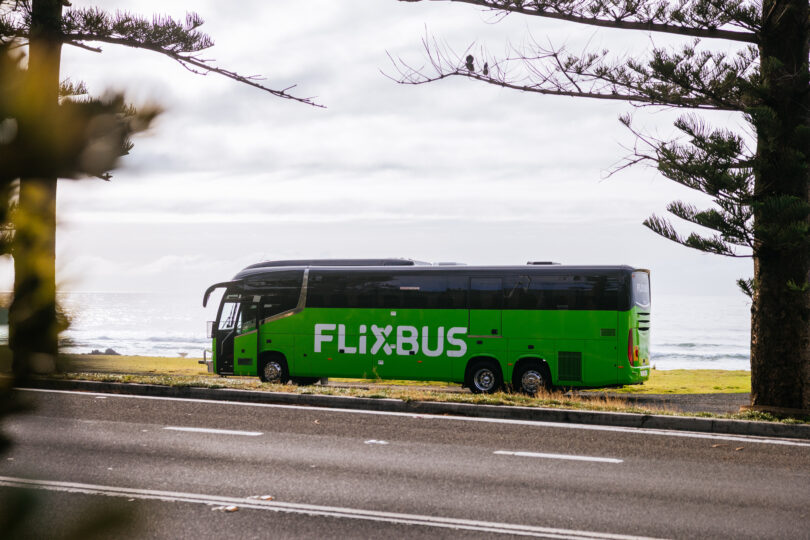
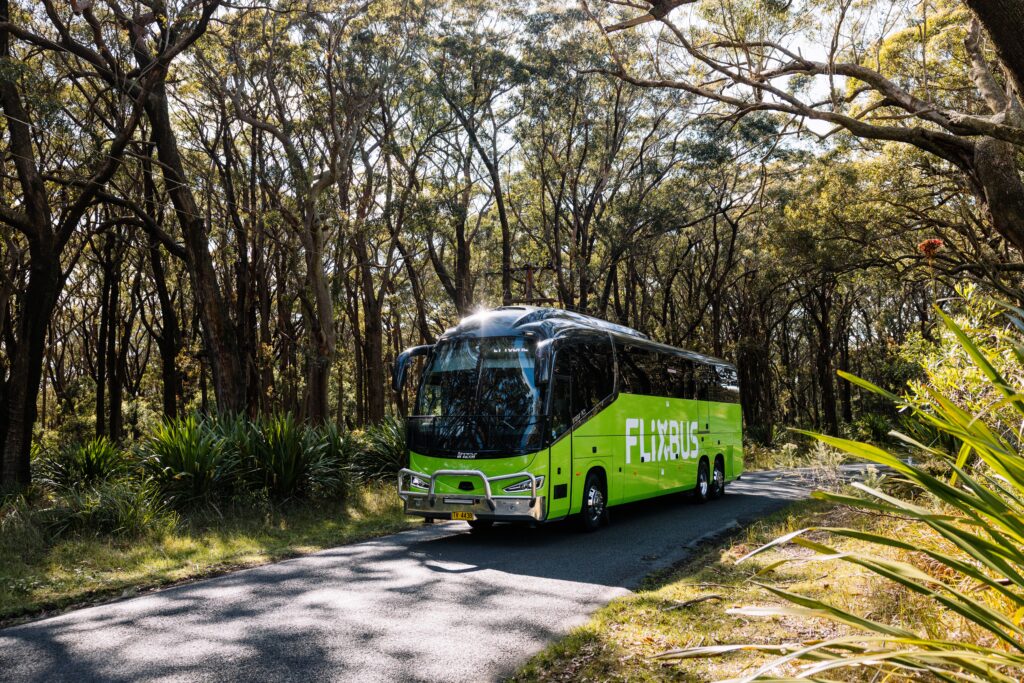
FlixBus, the global leader in long-distance coach travel trusted by over 500 million passengers in 44 countries, is thrilled to announce its first two routes in Australia connecting Melbourne, Canberra, and Sydney. The first iconic green-coloured buses are set to hit the road on 20 th November, with tickets already available for sale.To celebrate the start of their journey in Australia, FlixBus is offering passengers a promotional bus prices tarting from AU$9.99 across its new network until the end of November.
Flix Founder and CEO, André Schwämmlein says, “We’re thrilled to officially mark our entry into Australia, our 45th country and 5th continent, a significant milestone in our mission to shape the future of long-distance coach travel. We’re confident that Flix will resonate with Australians by setting a new
benchmark for convenient, affordable, and sustainable travel powered by technology. As in every market we enter, we are committed to a long-term presence as a trusted and reliable partner in the travel sector, and we are taking the first steps by opening sales on Australia’s busiest travel corridor.”
Melbourne-Canberra-Sydney is major travel corridor for Australians. Melbourne-Sydney was the fifth busiest airport route globally in 2024, with over 9 million passengers travelling the flight path between the two cities last year. Melbourne was also the top domestic destination for Australians in 2025.

A more digitised, sustainable and affordable travel experience Connecting Australia’s two largest cities and the capital, the new routes include:
Melbourne <> Sydney – stopping in Albury and Canberra, Sydney International Airport, Sydney
Domestic Airport, and Sydney Central Station.
Canberra <> Sydney – stopping at Sydney International Airport, Sydney Domestic Airport, and
Sydney Central Station.

The Canberra–Sydney route will feature 12 departures daily, optimising travel schedules for both local Australians and international visitors. The strategic airport
stops at both international and domestic terminals in Sydney make it a perfect choice for those looking to travel conveniently and sustainably.
The routes will be operated by local bus partners Deanes Coaches and Sunbury Coaches, leveraging Flix’s asset-light model. This approach combines Flix’s proprietary technology to support network planning, revenue management, dynamic pricing, the local expertise of local bus partners and to provide passengers a fully digitised, safe and reliable travel experience.
Passengers will be able to book and manage their travel effortlessly and instantly online or through one convenient application, downloadable on the App Store, or Google Play store.
Celebrating the start of FlixBus’ journey in Australia Senior Managing Director of FlixBus Australia, Yvan Lefranc-Morin said:
“These new routes embody our commitment to making sustainable travel affordable to everyone travelling in Australia at a time when Australians face growing economic pressures due to rising living costs. By providing frequent departures and streamlined connectivity, we aim to set a new benchmark for travel experiences and accessibility inAustralia.”
The FlixBus experience offers more than just transportation; it provides a comfortable journey equipped with free Wi-Fi, allowing passengers to stay connected and productive.
Lefranc-Morin added:”This is just the start of FlixBus’ journey in Australia. With new routes to be announced soon, and our launch promotion with tickets under $10, our goal is to make coach travel a compelling and competitive option across comfort, safety, pricing and sustainability.”
Switching from car or plane to coach travel can significantly reduce an individual’s carbon footprint. A trip from Sydney to Melbourne by coach emits just 17 kg CO₂, compared to 105 kg CO₂ by car and 185 kg CO₂ by plane. [1]
With over 500 million passengers globally and 8,000+ destinations, FlixBus is committed to expanding its smart travel options across continents, blending technology, sustainability, and customer empowerment.
About Flix
Flix intends to transform the collective transport sector by offering sustainable and affordable long-distance bus- and train travel solutions in more than 40 countries across four continents through its brands FlixBus, FlixTrain, Kamil Koç (in Türkiye), and Greyhound (in North America). With its asset-light business model and innovative technology platform, Flix, launched in 2013, swiftly established a market-leading position for long-distance bus travel in Europe, North America and Türkiye and is rapidly expanding further into South America and India.
Driven by increased awareness for sustainable travel, Flix is committed to achieving Net Zero operations in Europe by 2040 and globally by 2050. To assess its progress within a scientifically recognized framework, Flix established near-term targets for emissions reduction with the Science Based Targets initiative.
While Flix manages the commercial side of the business such as network planning, pricing, operations control, marketing and sales, quality management and continuous product development with a data-driven approach, trusted Flix partners conduct the daily operations. The innovative combination of Flix&technology and sales platform with traditional passenger travel has turned a European start-up into a leading and globally expanding travel tech company.
For more information, please visit www.corporate.flix.com
[1] Data compiled by Grattan Institute research. For a comparison of emission factors for differentmodes of transport see Flix’s Avoided Emission Methodology Document 2024.