The Human Premium: Is Authenticity the New Status Symbol?
Written by *Matilda Cheshire/Arts & Culture Correspondent
Posted on Friday 15 May,2026
“A Scottish man sprinkled juniper berries into my palm and I’ve never felt more marketed to!.”
Matilda Cheshire attended a Gin launch in a Marrickville warehouse and came away with some observations on marketing trends.
“I am standing on a stage. There is a spotlight on me, a microphone in front of me, and an empty room of chairs and tables at my feet. My stomach does something involuntary.”
“I can’t show you that on a video,” RONE tells me later. “You have to be in it. It’s an experience.”
He’s right. I knew, intellectually, that I was standing in a Marrickville warehouse at a gin launch,…..And yet??
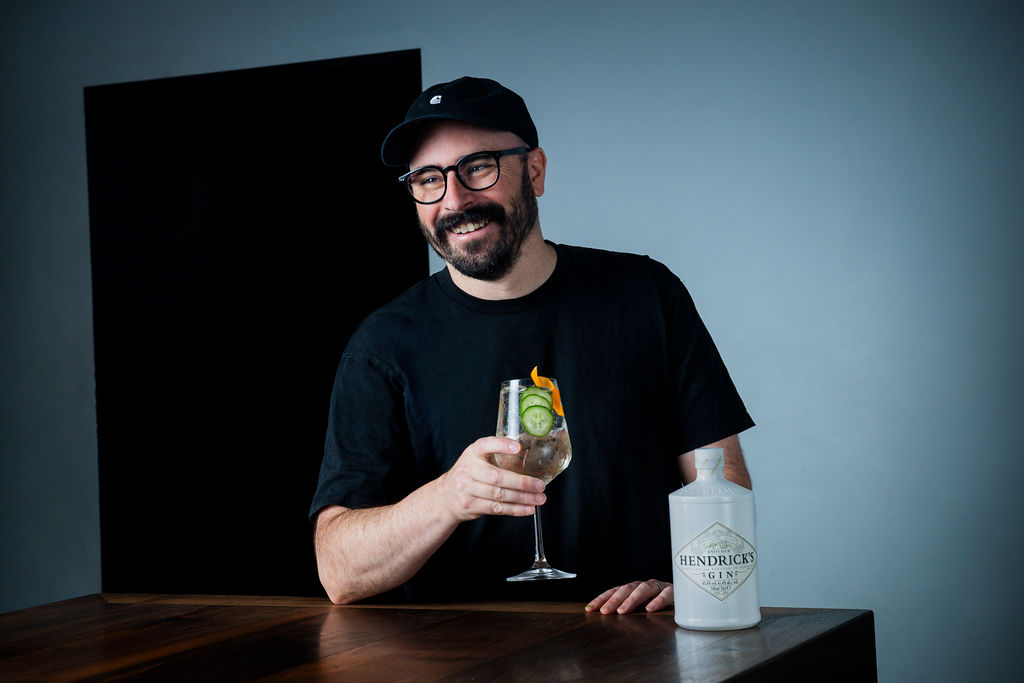
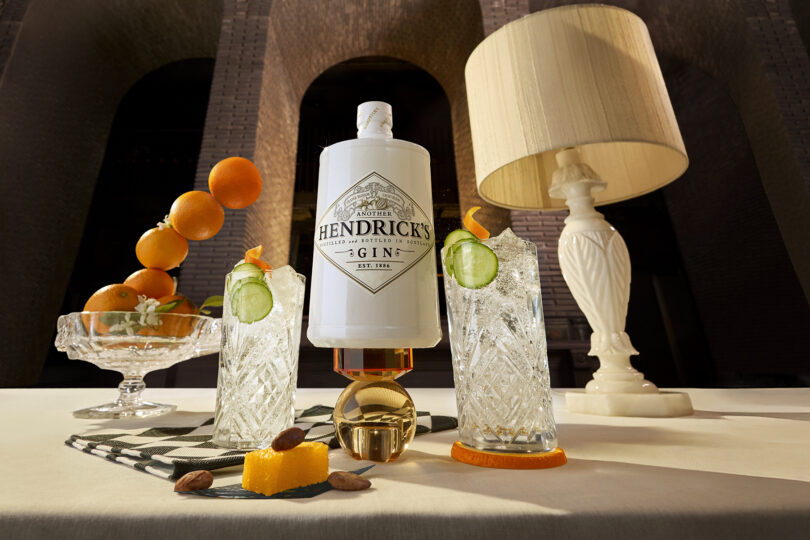
The Melbourne-based artist had been commissioned by Hendricks Gin to build an immersive installation around the launch of their new orange blossom and cacao flavour. The brief, as advertised, was an event where “time pauses, senses awaken, and the curious is celebrated.”
Which sounds like the kind of copy that writes itself. What they actually built was something harder to dismiss.
Upon arrival, a wee Scottish man greeted guests at the entrance and sprinkled juniper berries into their open palms from above. An attendant in a waistcoat spoke into a cucumber as if it
were a microphone and narrated the work. The music is an original score, written specifically for the exhibit. The sound is played from speakers fixed under each table, each instrument
recorded separately, each part coming from a different direction. The composer Nick used real musicians. You could tell.
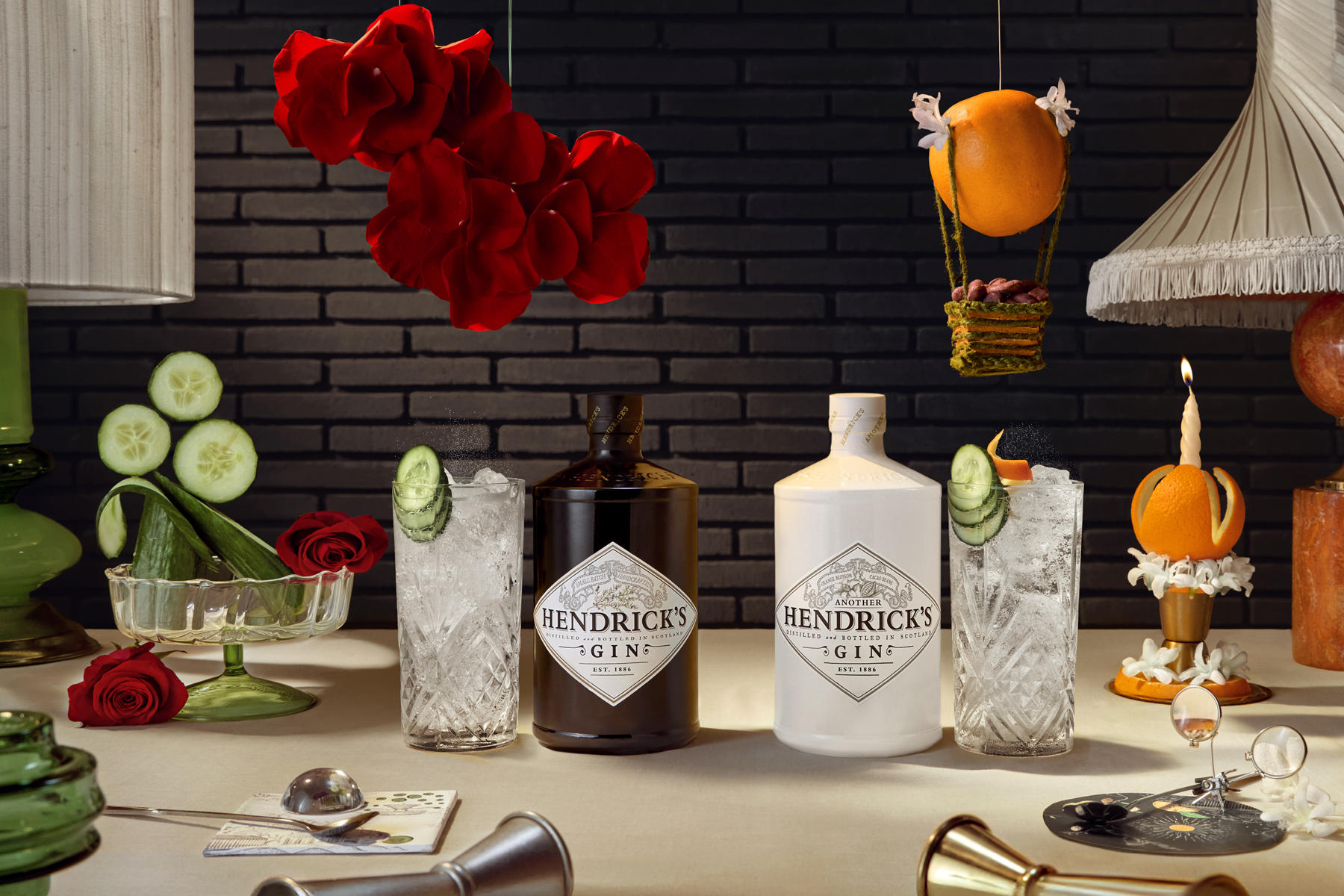
RONE estimates the lighting and sound alone took a couple of hundred hours. His wife Alice sewed an entire ceiling from black fabric to block out the skylights. They climbed onto the roof to
manage the skylights.
This is, to be clear, an enormous amount of effort for gin.
But that is rather the point. The luxury sector has quietly pivoted away from AI-generated campaigns toward something more expensive and more vulnerable: human-made work.
Hermes decorated its website with pen-and-ink illustrations. Polo Ralph Lauren commissioned stop-motion fibre art for Wimbledon. Porsche ran hand-drawn sketches as a holiday animation.
In Sydney, Maison Balzac stationed an embroiderer in-store to stitch personalised inscriptions onto cloth items while customers watched.
“The logic is straightforward. AI can produce a campaign in minutes.”
It can also produce the faint, creeping suspicion that nothing you are looking at is real. Brands selling aspiration cannot afford that suspicion. So they are paying artists, ones with thumbs and opinions and hundreds of billable hours, to restore the feeling that something cost somebody something.
It’s what the people want. An oversupply of AI content has led consumers to roll their eyes and reject it.
Research conducted by Live Nation’s brand agency surveyed Gen Z on the most important factors in their lives. 90% of responders cited “realness” and “authenticity” as number 1. AI ads are not well-received, and what’s more, they are not convincing sales.
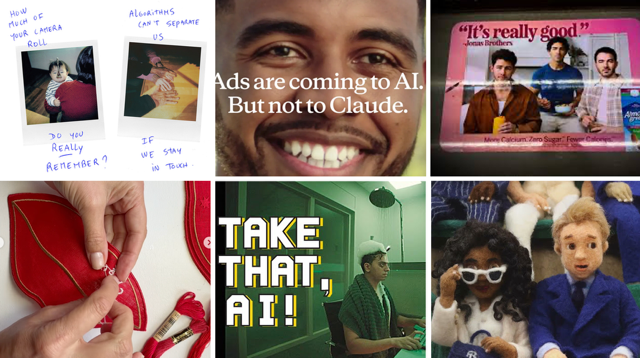
“There are places for it (AI) but I don’t want it to produce my whole art and concept,” RONE says. I highly doubt it ever could. What he is selling, and what Hendricks is buying, has become a luxury in marketing, but its impact is greater.
Common State is the marketing agency that reached out to RONE for his collab with Hendricks.
They are a step ahead because they know that “human craftsmanship has gone up in market value”. They see the “craving for human authenticity” and are serving it up in spectacular fashion.
Whether it sells gin is another question. One the brand’s marketing department is presumably watching closely.
The new release of Hendricks Gin has an ABV of 41.4% and an RRP of $70 per 700ml, view it here.
Follow RONE on Instagram here to see what is next for him or visit his website here.